



Health

New ways of living, working, and caring can help to sustain aging populations.
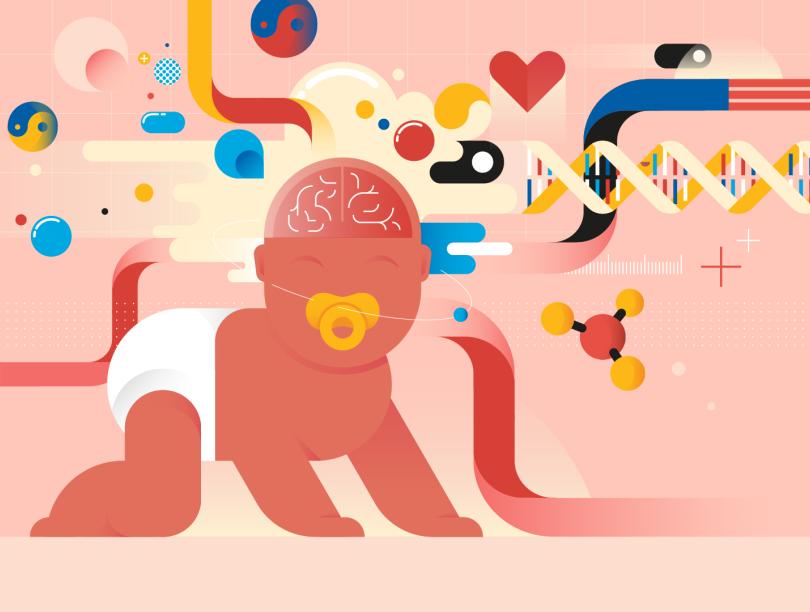
From the womb on, our life experiences influence how fast we age—and how long we stay healthy.

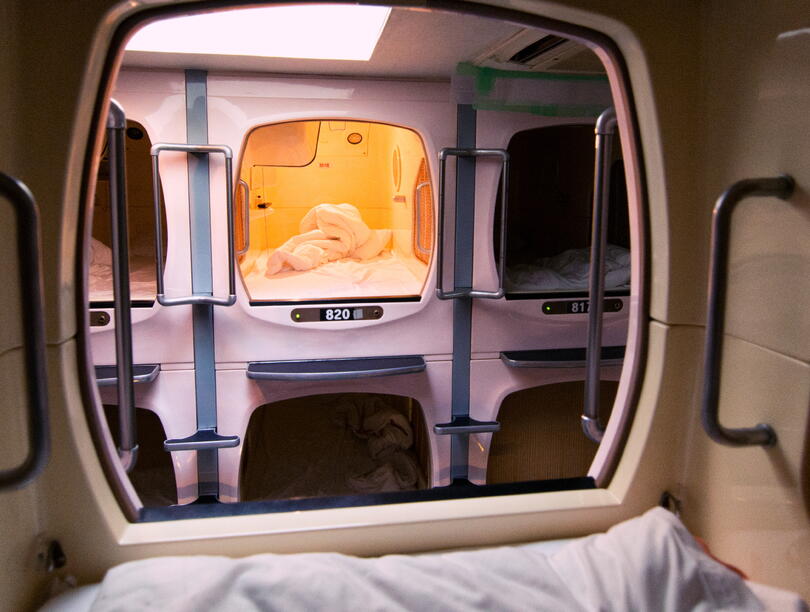
The novel devices helping older adults to age in place.

Ageism is getting old. It’s time to ditch the stereotypes.

Menopause is poorly understood. Now it’s getting the research attention it deserves.
Understanding Alzheimer’s resilience could be the key to finding treatment.
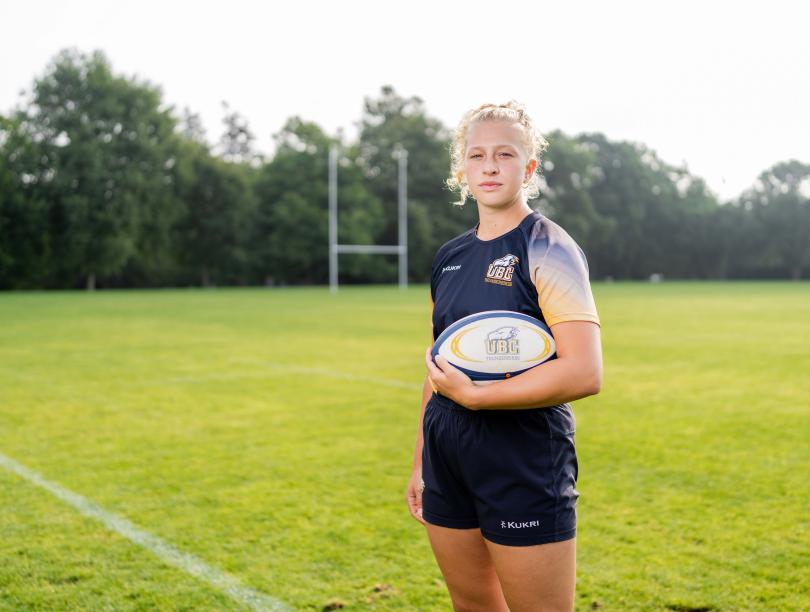
A UBC sports injury expert (and hockey mom) tackles common myths about this brain injury.
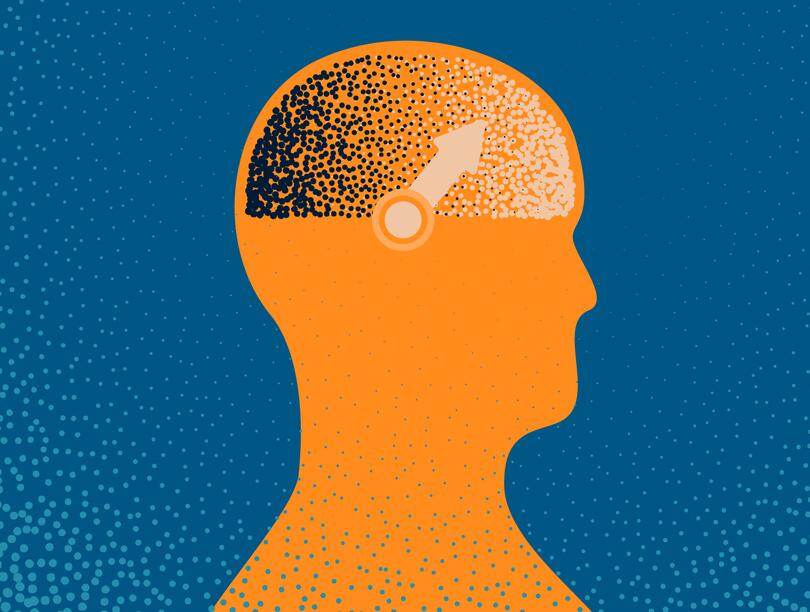
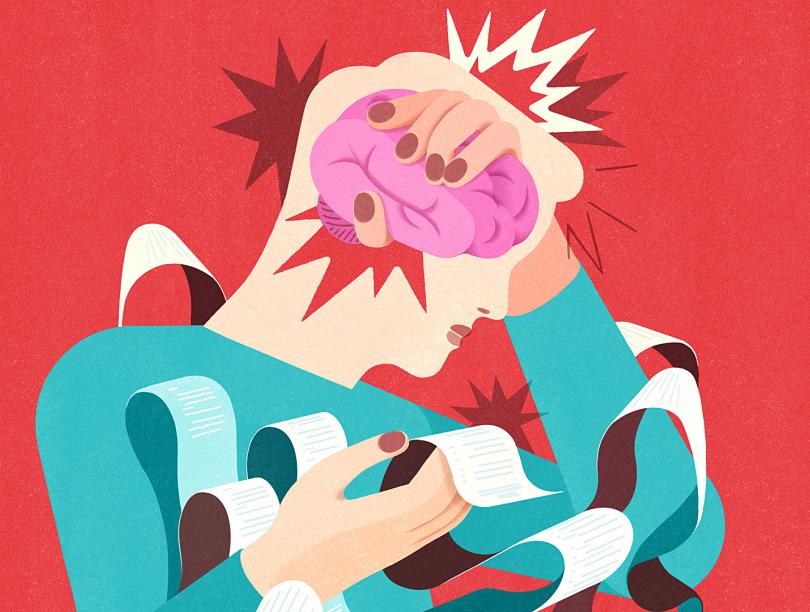
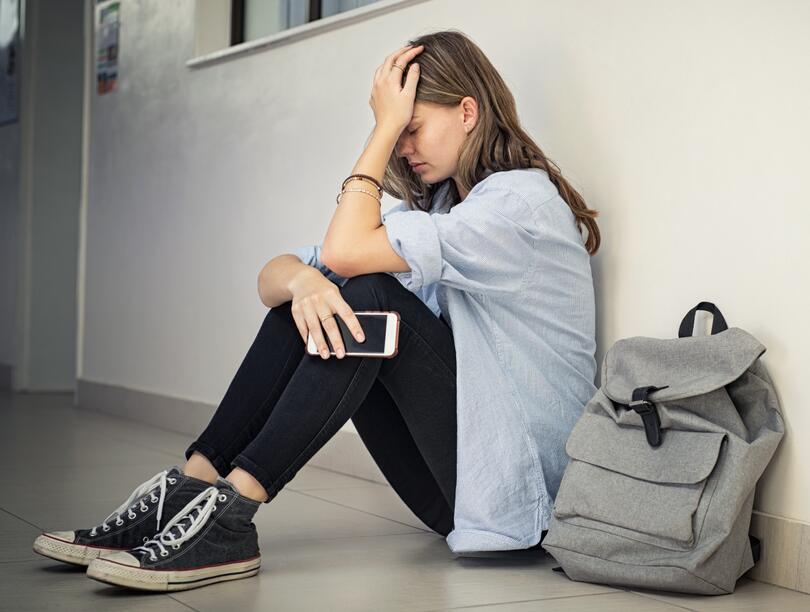
Problematic smartphone use is a growing public health concern.
A UBC spin-off powered by alumni talent is pushing BC’s economy forward.
A UBC Okanagan study is uncovering how endurance training transforms the body and mind.

UBC researchers are reimagining recovery after spinal cord injury.

How social interventions could help us live healthily for longer.

Four experts explored whether masculinity is collapsing or adapting in our changing world.
Despite recent headlines, the evidence that drugs like Tylenol or SSRIs cause autism is weak.
Yet they show higher sexual health literacy than other students.
In health care, time isn’t just valuable—it saves lives.
The effects of fasting might be different for people living with obesity.
Does the hype about protein match the science?
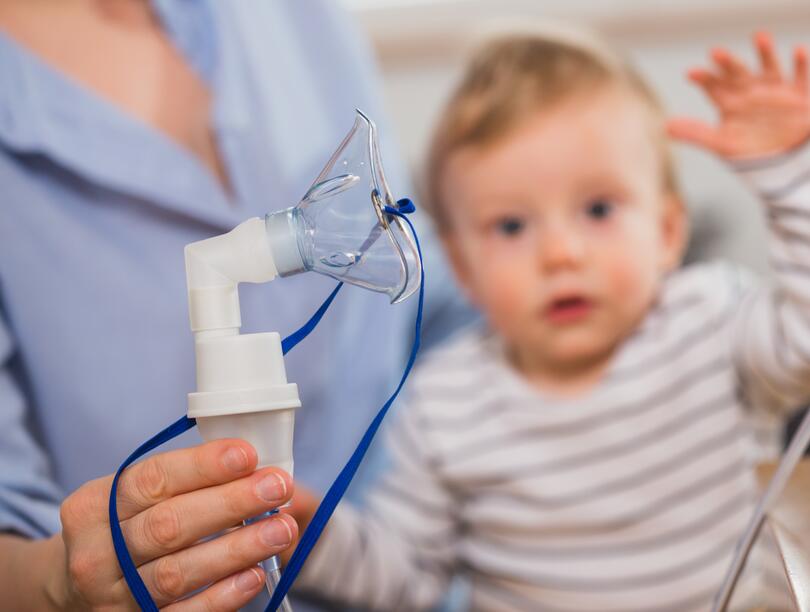
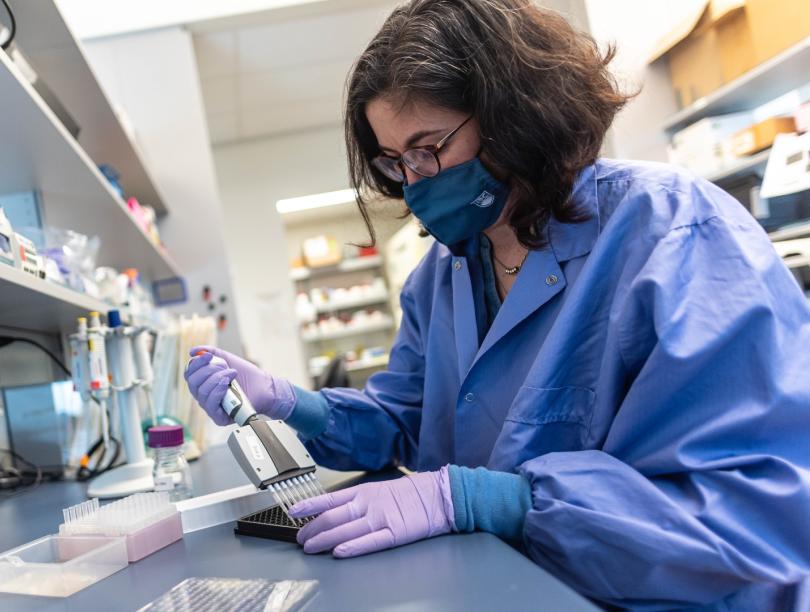
This innovation could transform how scientists study lung disease.
A UBC physics student would develop a breakthrough, protecting billions of people.
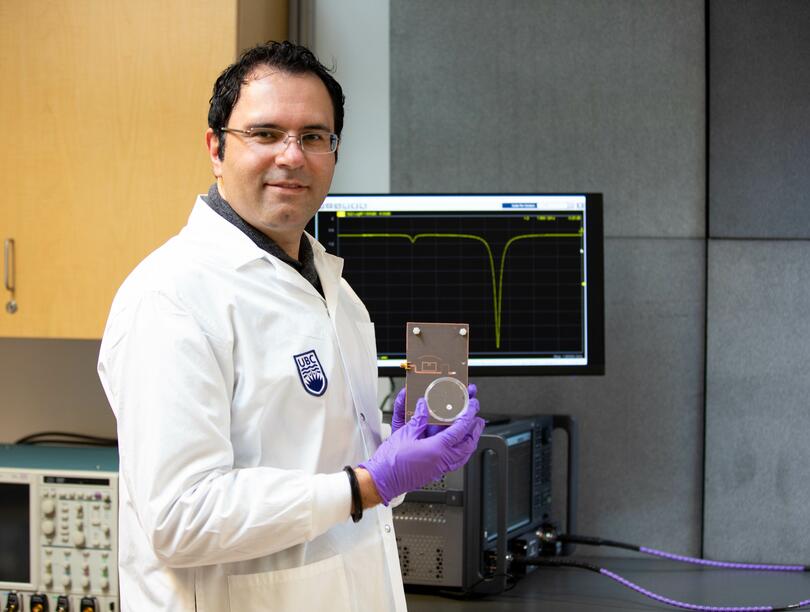
Researchers found a way to measure insulin levels in saliva without needles or blood work.
The factor most associated with cancer is unavoidable—it's one we will all experience.
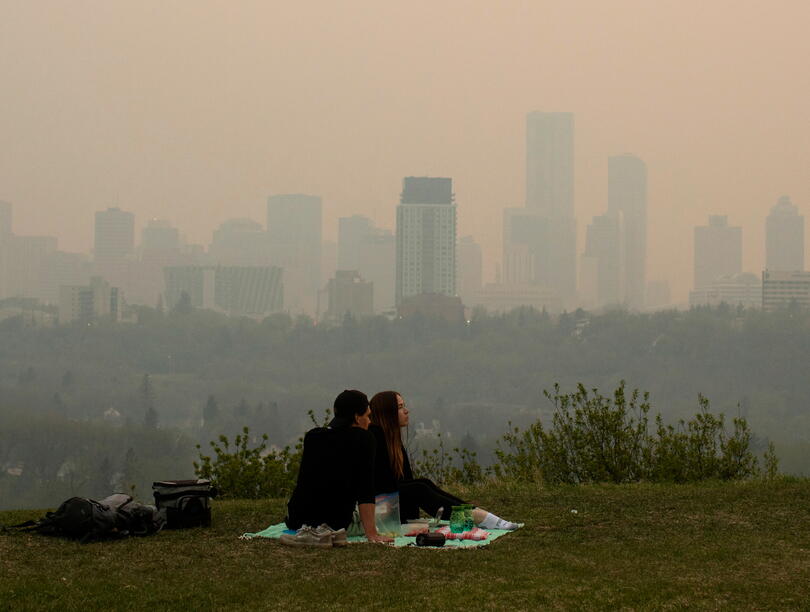
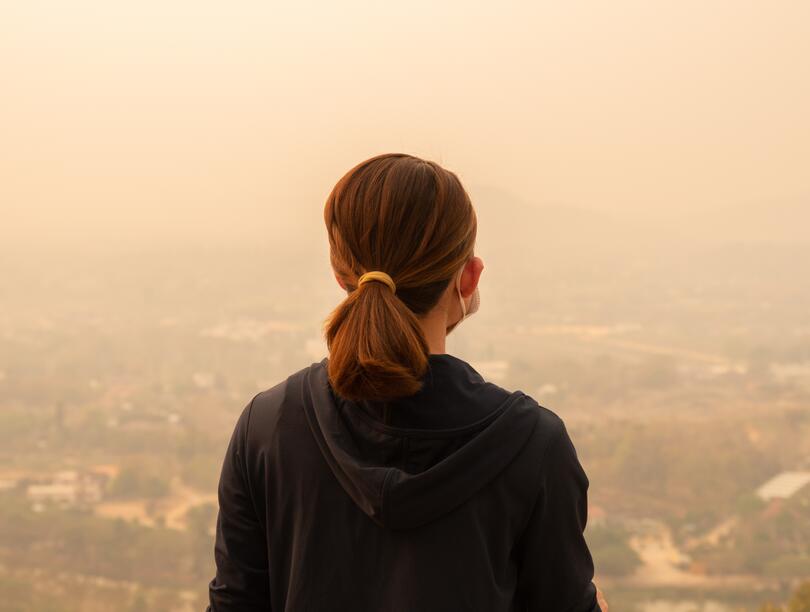
UBC researchers examine the risks of extreme heat combined with air pollution.
Reviving Indigenous languages may do more than preserve culture.
What began as a passion for helping others turned into province-wide recognition.
A report on Canadian men’s health highlights the gaps in our healthcare system.
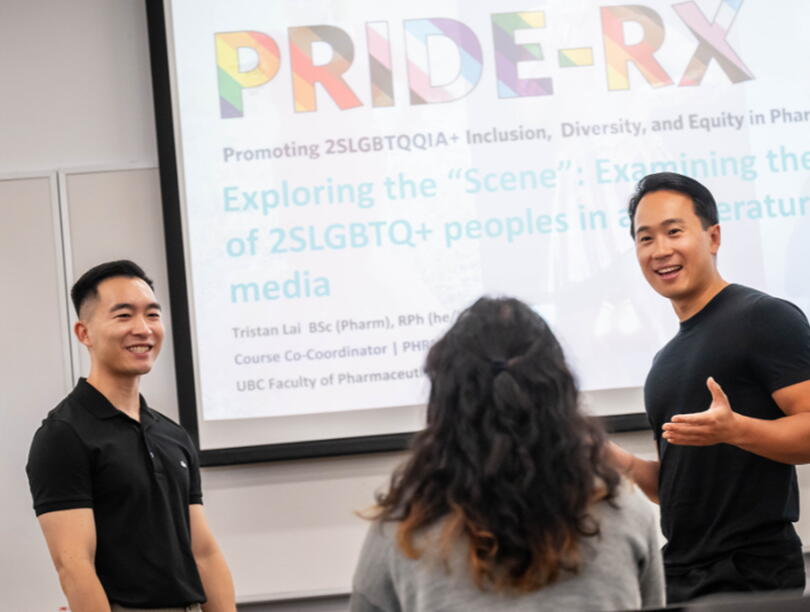
Two UBC pharmacy lecturers have developed a queer and trans-inclusive pharmacy curriculum.
Obesity disproportionately impacts men’s health, yet few men take preventive action.
RNA technology is powering a revolution — and Canada is uniquely positioned to lead it.
New research challenges the belief that everyone needs the same amount of sleep.
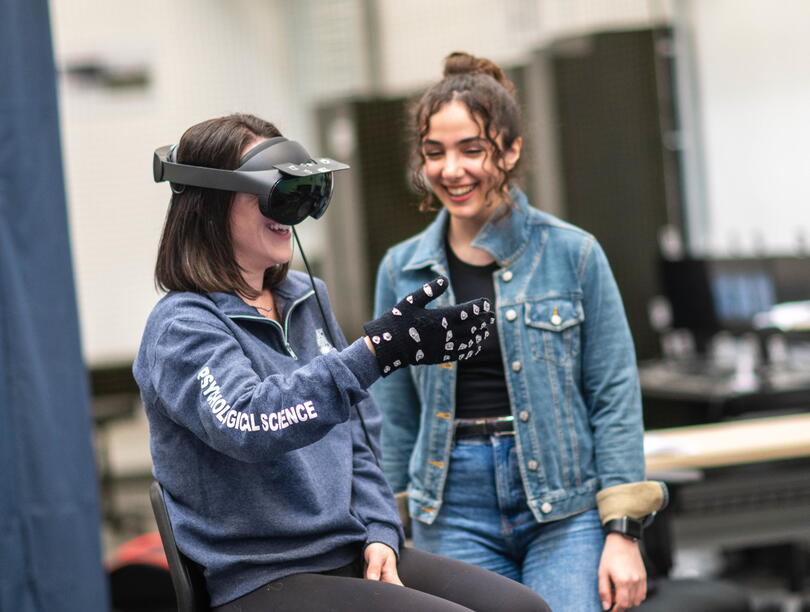
Psychology and computer science students are advancing brain injury rehabilitation.
Those who produce pollution should pay for cleaning up any environmental damage.
A UBC study reveals how using social media intentionally could actually boost our wellbeing.
UBC researchers are decoding the factors that cause autism spectrum disorder.
An alarming number of people suffer spinal cord injuries while mountain biking.
Moral values are malleable and can sometimes change.

UBC is a central player in Canada’s medical biotech boom.

Mental health may depend on how social media is used rather than how much it is used.
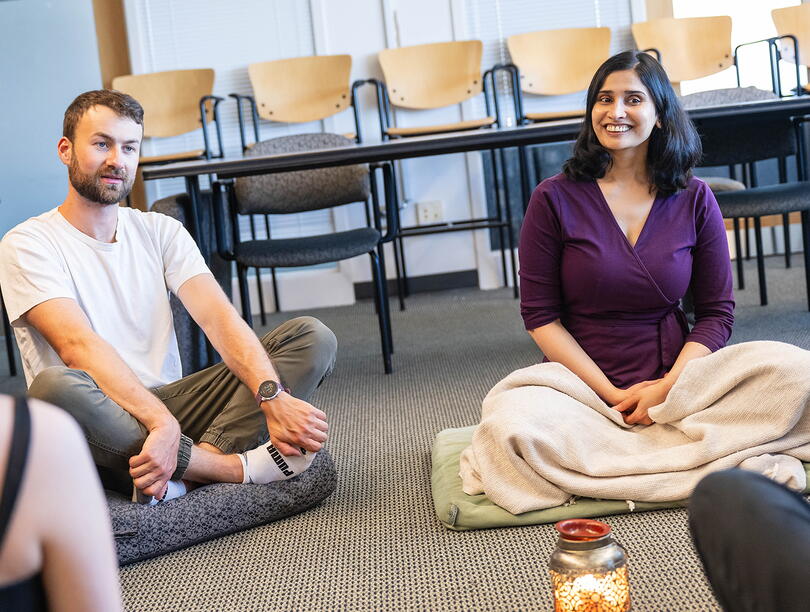
How a UBC prof is cultivating a culture of mindfulness and wellbeing in her classroom.
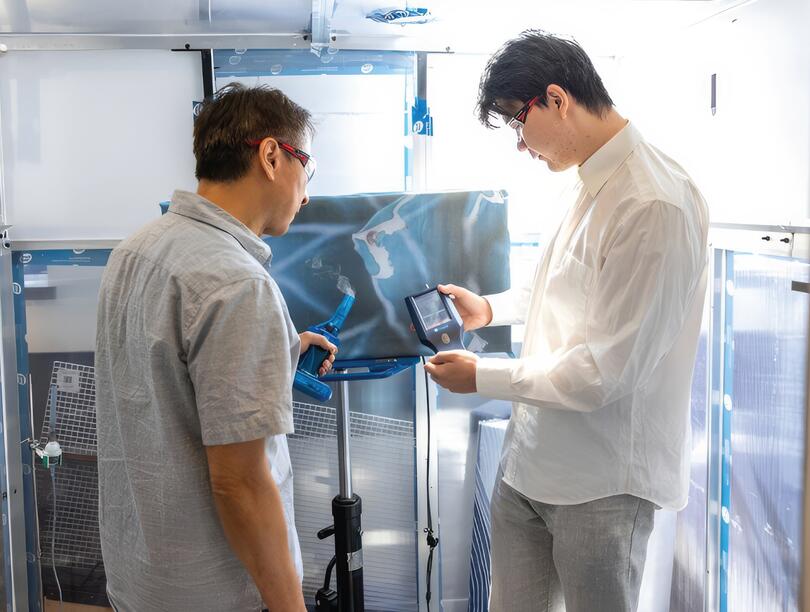
UBC Okanagan is taking an artful approach to tackle indoor air quality.
Many underestimate the complexity, time, effort, and significance of this daily work.
Will we one day be able to cure — not just mitigate — allergies?
UBC researchers are thinking outside the box to sustainably solve world problems.
Learn about the health risks posed by wildfire smoke and how you can protect yourself.
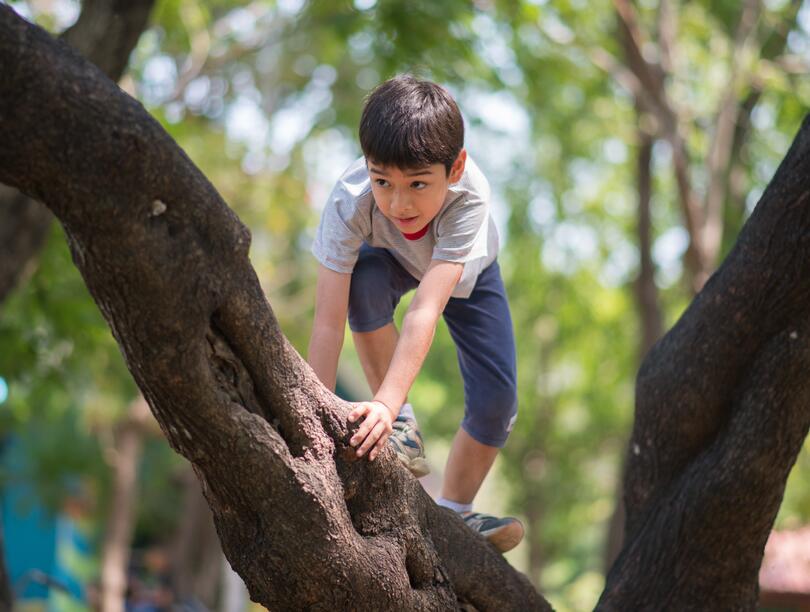
Risky outdoor play is essential to your child’s health and overall development.
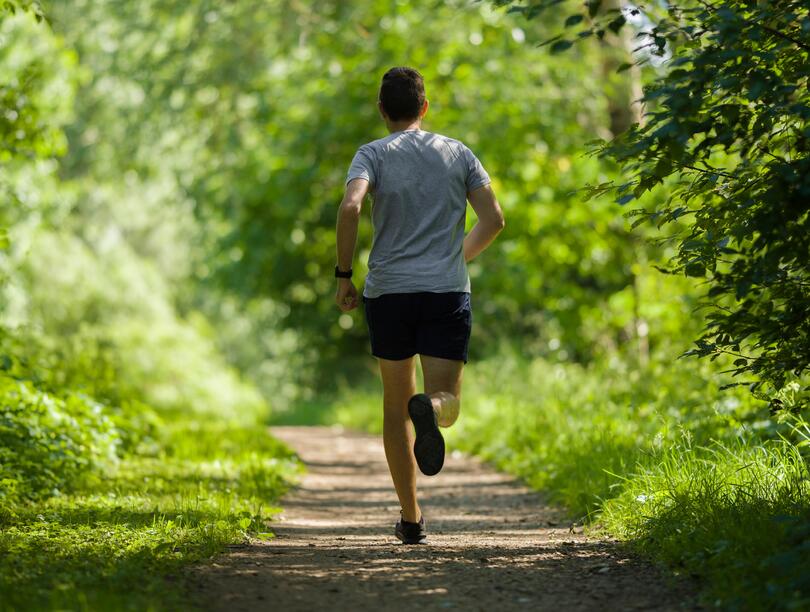
Here’s why it’s important to adapt your exercise routine to the weather conditions.
Prolonged exposure to sounds at or above 85 decibels can cause hearing damage.
A UBC Dermatology professor debunks common sunscreen myths.

Raymond Ng is using NLP to streamline complex processes and improve patient outcomes.

Cardiologist Teresa Tsang is using AI to advance and democratize cardiac imaging in BC.
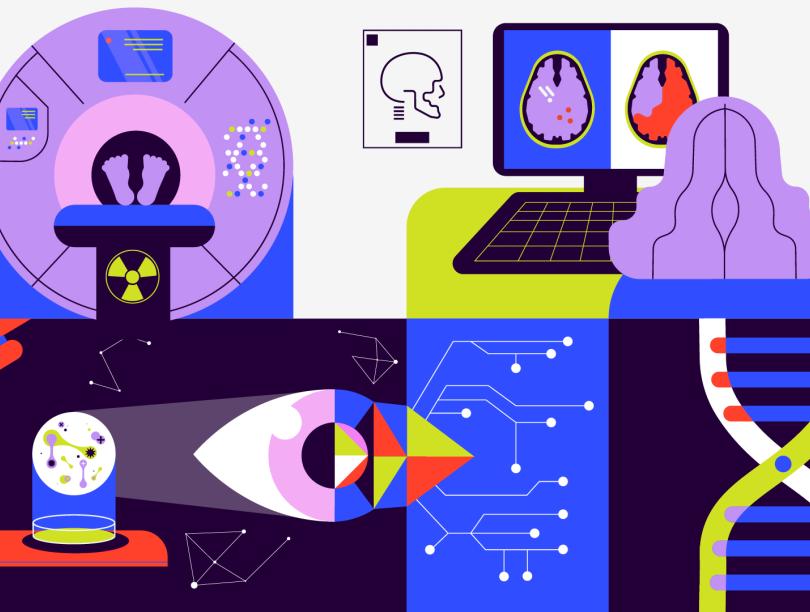
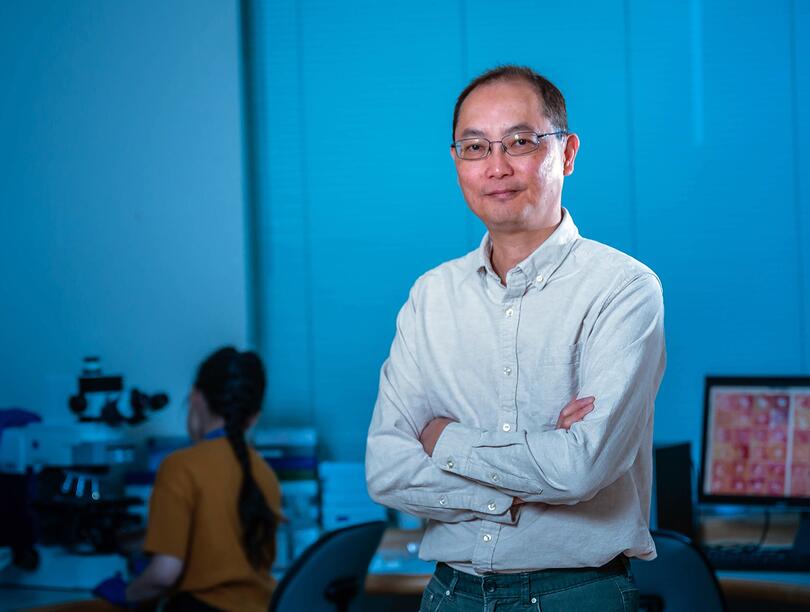
Five UBC medical breakthroughs powered by AI.

A UBC research team is helping to bring new hope to children battling hard-to-treat cancers.
Small Steps for Big Changes is available in Portugal and will be launched in Australia.
Overstating the benefits of sports risks obscuring systemic problems.
Airflow dynamics are as vital as the volume of airflow.
Dr. Lesley Lutes envisions a future where everyone can access psychological care when needed.
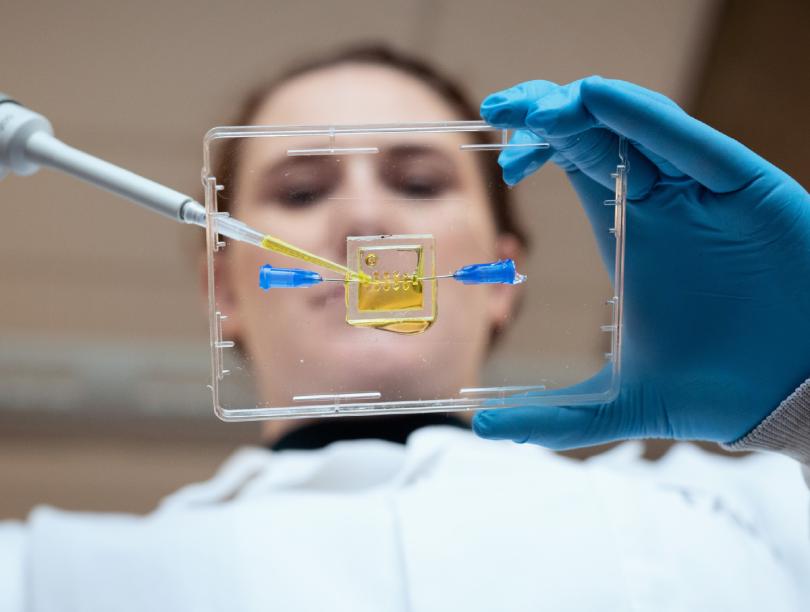
Organ model technologies can help address the challenges of drug development.
Stairclimbing between meetings can help improve physical health.
This former professional athlete has faced a battle with post-concussion syndrome.
Anxiety and depression are widespread among students. Supporting mental health is a priority.
Want to learn how you can change your diet to reduce your chance of disease?
Dr. Phil Ainslie and his team dive into research related to human performance and survival.
Problems arise when eco-anxiety reaches unhealthy and debilitating levels.
Despite the risks, two UBC doctors plan on continuing to help Ukraine.
UBC researchers are investigating what make us more vulnerable to climate change.
Injuries shed light on gender disparities in sport and the need for immediate action.
When welcoming a new baby, parents can face challenges in sex and romance.
New research points to opportunities that can help break people out of feedback loops.
More men are seeking mental health help, but traditional counselling often fails them.
A typical student diet of high-sugar or high-calorie foods can become a long-term issue.
Westernization may change the gut microbiome of Indian immigrants.
It’s time to put down your phone and let your mind wander.
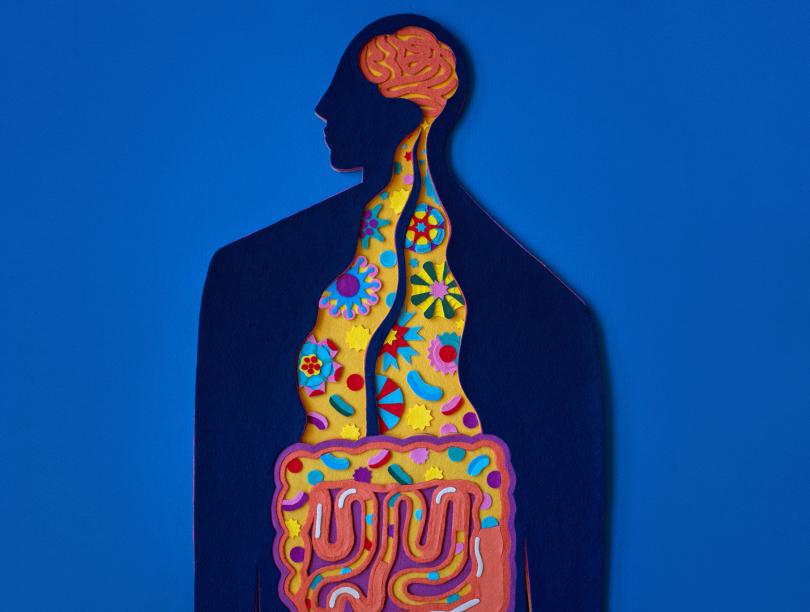
The human gut contains more nerve cells than the spinal cord and exerts influence on the brain.
Serious disorders affecting the brain and nervous system can be complex to treat.
The links between stress and depression are strong and mysterious.
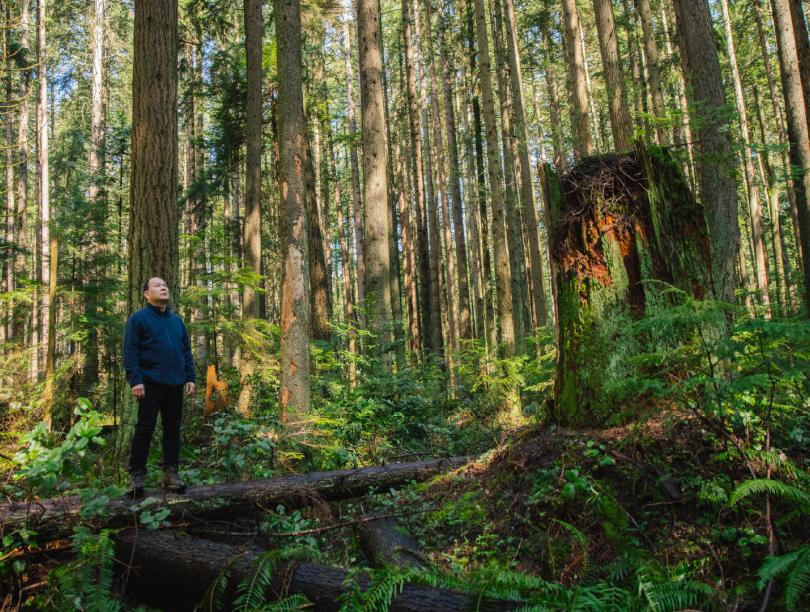
Connecting with nature, particularly in forests, can benefit our mental and physical health.

Unravelling the mysteries of gene expression in early brain development.
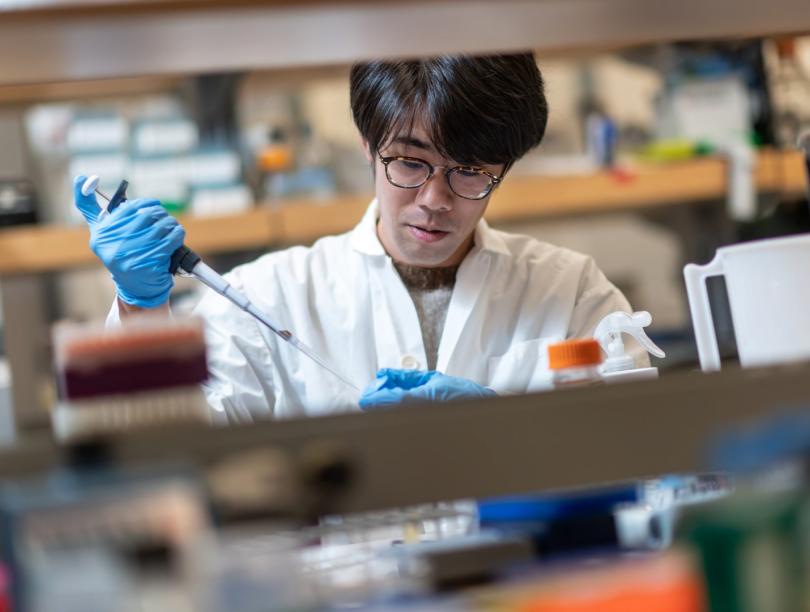
This hub positions Canada as an epicentre for next-generation immune-based therapeutics.
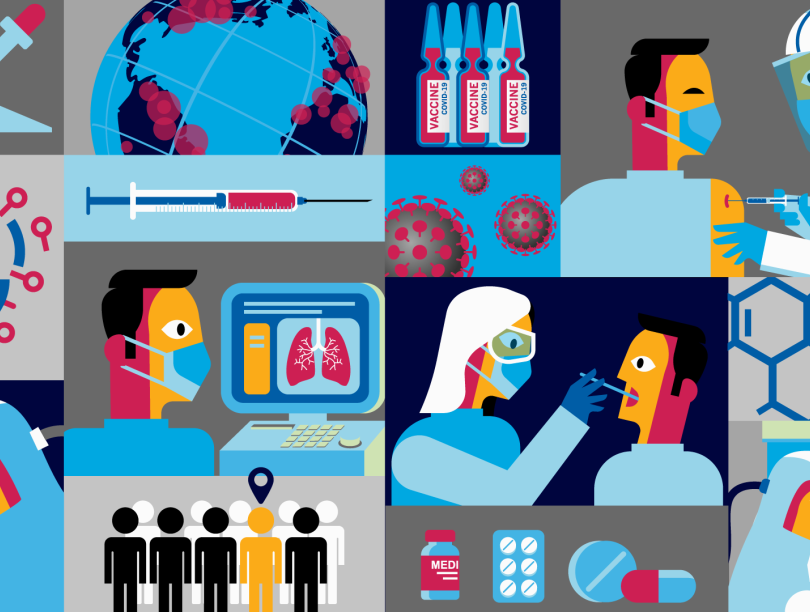
Here’s a look back at several notable COVID-19 initiatives and research from UBC.
Stigma surrounding drug use and addiction impacts health and treatment outcomes.
This study found that even brief exposure to air pollution rapidly impacts the brain.
Research from the UBC Faculty of Medicine could stop the disease in its tracks.
This discovery paves the way for new medicines for COVID-19 variants.
Here’s how men can find healthy ways to recover from a partner-initiated breakup.
This remarkable donation is the world’s largest known gift for MS research and care.

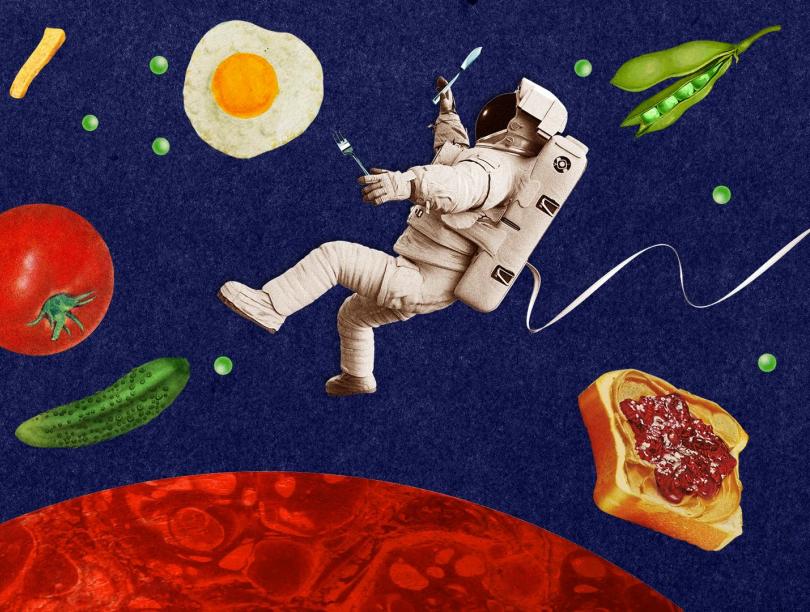
A UBC prof tackles the challenge of adequate nutrition for astronauts.

Diet and health are closely linked, but how does nutrition affect specific diseases?
Engineer devises a tool to protect pregnant women and their babies.

Prevention programs have a lot of promise but require extremely early action.
UBC researchers analyzed the relationship between air pollutant levels and mortality.
New UBC research could make concussion diagnosis, treatment, and prevention more effective.
A new blood test provides unprecedented insight into a patient’s cancer make-up.
Cultural and systemic factors affect professional men’s ice-hockey players seeking help.
UBC researchers are navigating what’s called “the last and grandest biological frontier.”
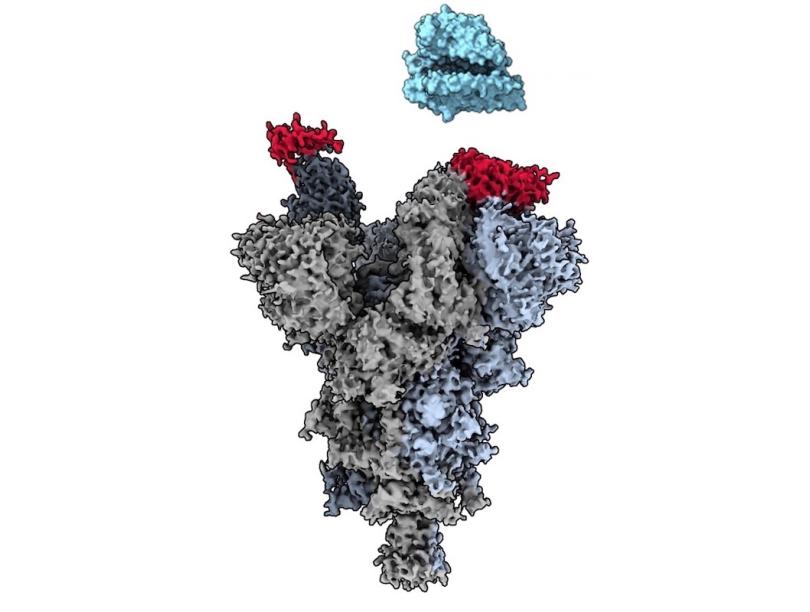
Neutralizing antibodies can target the weakness, paving the way for treatments.
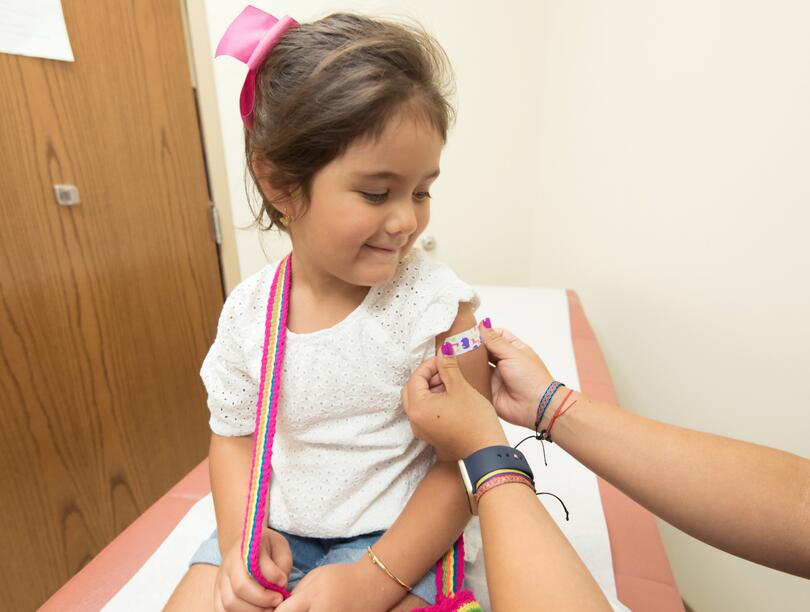
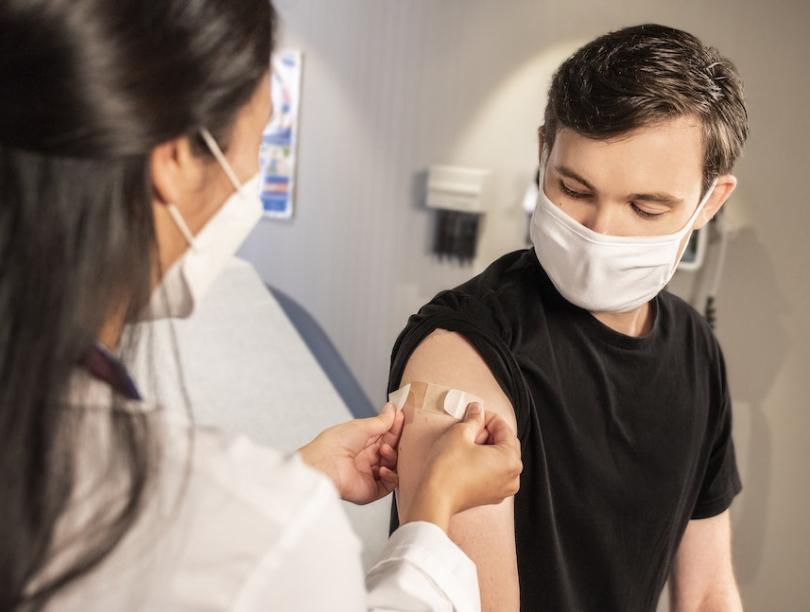
A UBC pediatrics prof answers questions for parents seeking vaccination information.
Crisis text lines appear to be a promising way of providing support.
Pregnant people of minoritized racial identities experience more pressure from providers.
Free-roaming domestic animals can transfer infectious parasites and diseases like rabies.
Dr. Horacio Bach discusses vaccination against the latest variants of SARS-CoV-2.
The earlier that pre-schoolers start this treatment, the better.
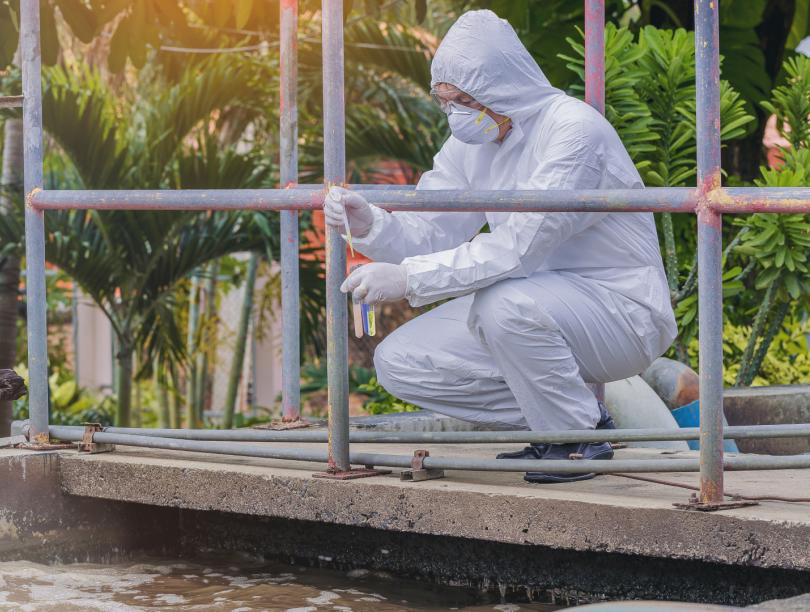
Wastewater surveillance involves testing sewage to obtain data about population health.
Writers have explored how abortion becomes entangled with how we shape the future.
UBC researchers are helping us imagine a city where people feel more connected.
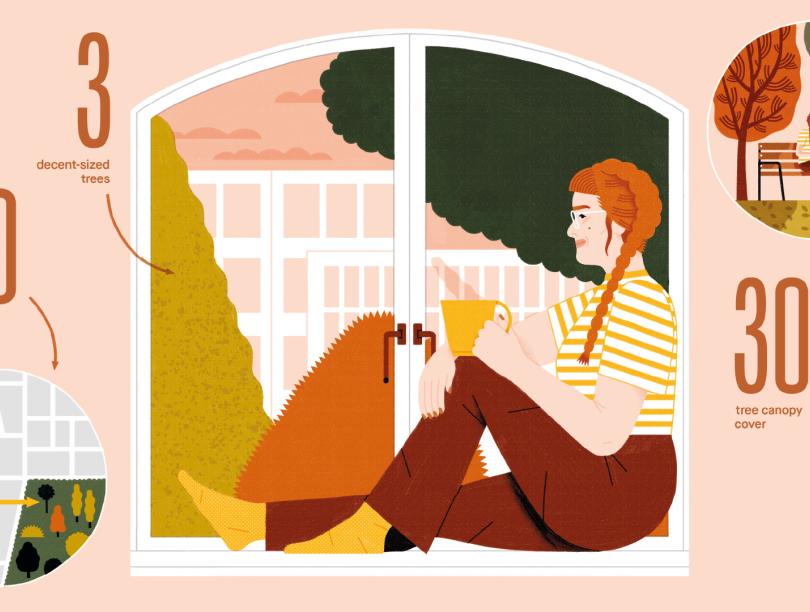
Trees and green spaces are an antidote for the stressors of modern life.
A UBC prof examined all unexpected deaths in Canada during the pandemic’s first 19 months.
A UBCO professor’s passion for change manifests in equity-driven community research.
Anchoring dialogue about mental health to fun activities could be the key.
UBCO’s collaboration with the community breaks down barriers to harm reduction services.
Many queer people faced mental-health inequities during the pandemic.
Despite persistent inequities, Indigenous responses to the pandemic have been innovative.
A scientific team conducted a genetic investigation into the "happy tree."

A UBC concussion study could pave the way for safer hockey.
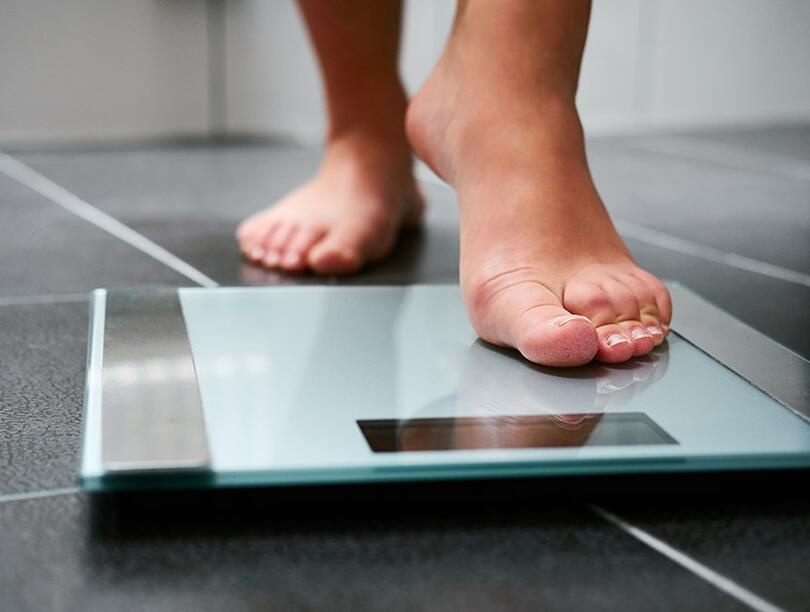
When it comes to sustainable weight loss, how effective is tracking what you eat?
The pandemic has catalyzed more accessible ways to deliver abortion care.
A research team uncovered almost 10 times more RNA viruses than were previously known.

A UBCO researcher creates modelling data to balance saving lives with the economy.
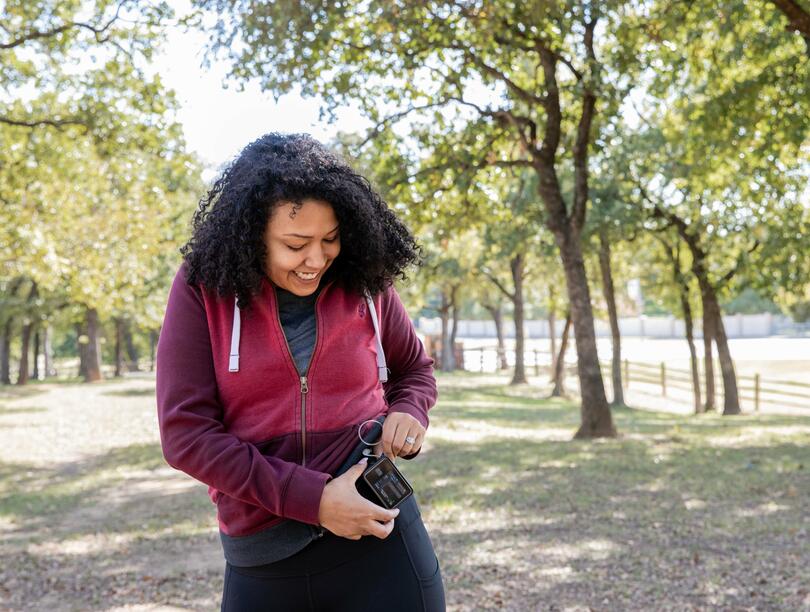
UBCO researchers say being active can help control an overactive immune system.
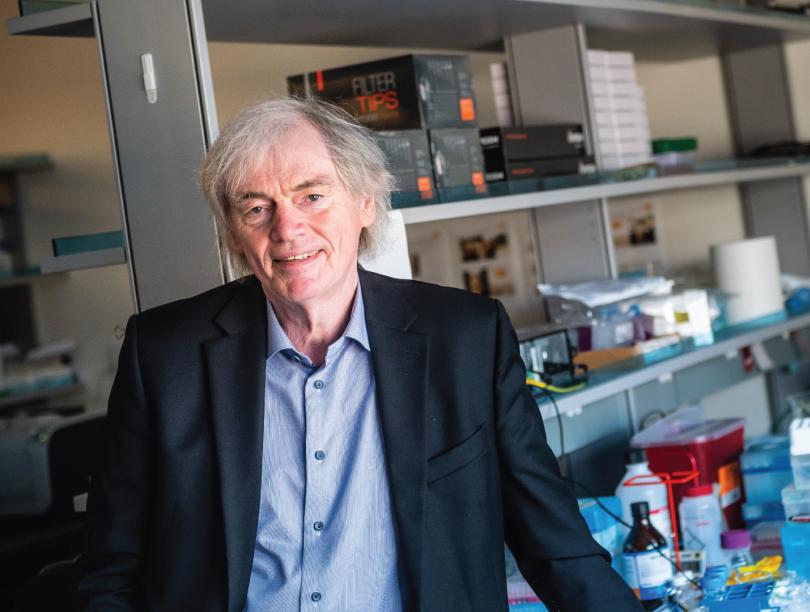
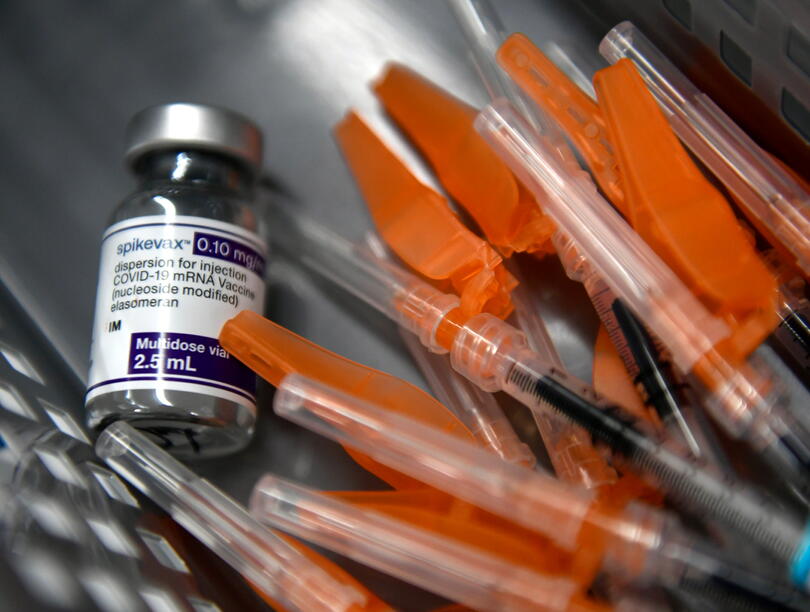
The most widely used COVID vaccine relies on a novel drug delivery system developed at UBC.
When COVID-19 first hit New York City, UBC dental school grad Kartik Suri stayed to help.
COVID necessitated a switch to virtual work for millions. How has this affected well-being?
Zoom works for the information industries, but how do we perform physical work remotely?
Sepideh Pakpour investigates how microorganisms in our built environment interact with us.
A pediatrics prof offers tips on how to protect kids who aren't yet immunized.
A drug used for cancer can restore memory and cognitive function in mice with Alzheimer’s.
Noorjean Hassam, UBC’s chief student health officer, is on a mission to decolonize healthcare.

A new sensor provides a quick test to measure antibiotic resistance.

UBC researchers are empowering Metro Vancouver communities to combat rising temperatures.
A new study from UBCO shows cannabis use is helping some smokers curb their nicotine craving.

B.C. could be the next hub for developing and manufacturing the high-tech vaccine platform.

Childhood memories can be a trigger while working with a client.
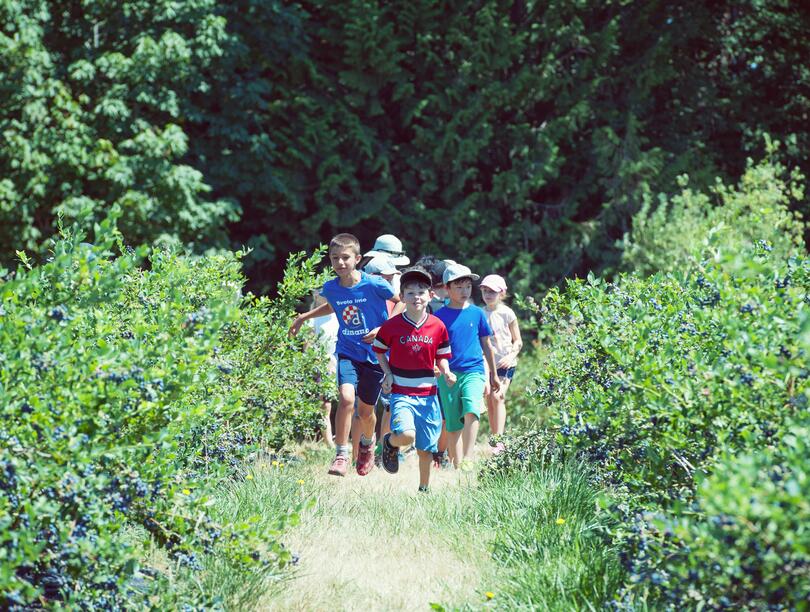
New research reveals the benefits of unbounded play for children.
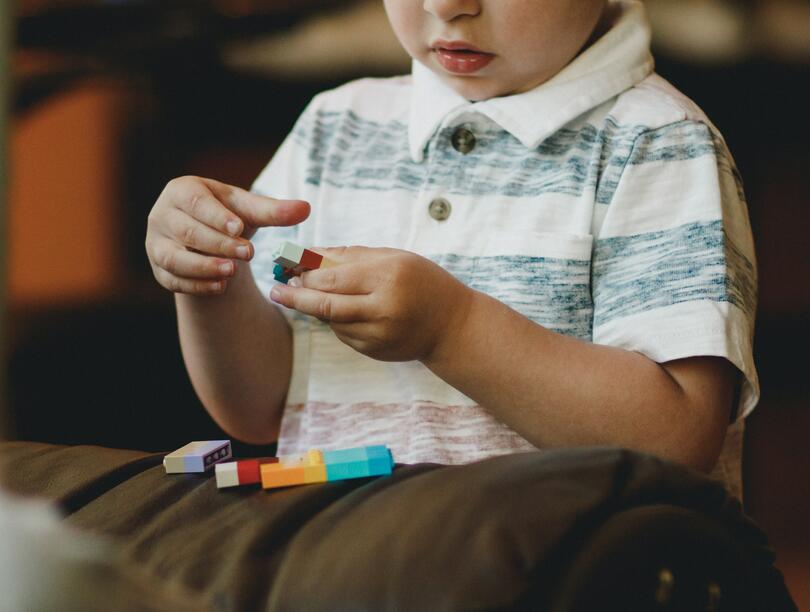
A UBC researcher embraces big data in the search for more personalized autism care.

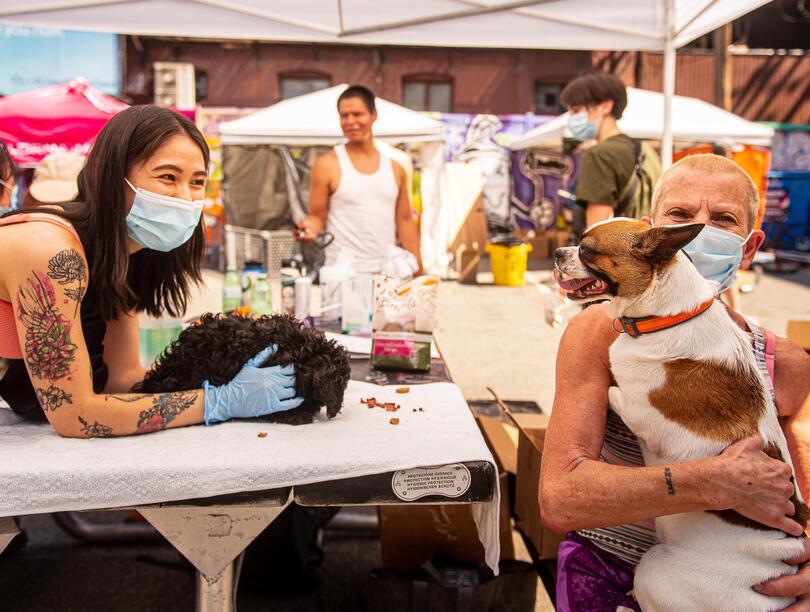
Low-volume, high-intensity interval training requires less than 15 minutes.

UBC-community partnership addresses public health needs while preparing future grads.
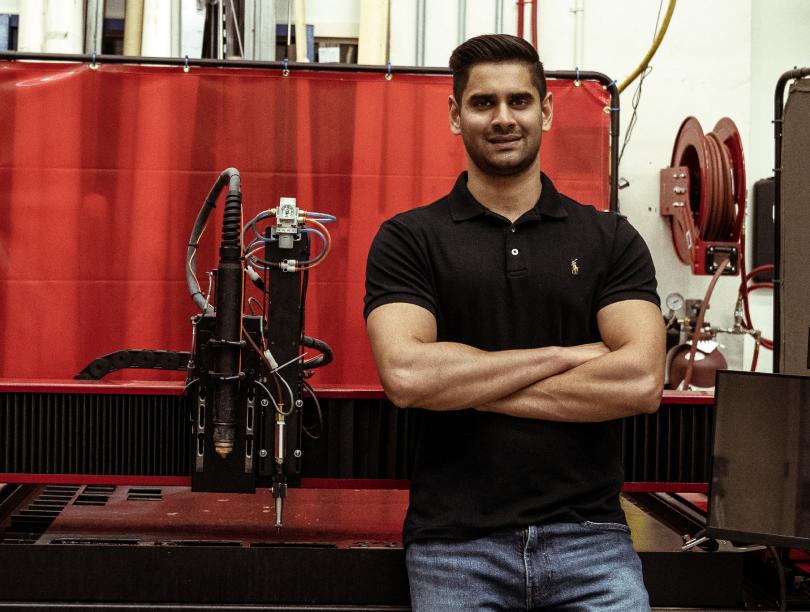
Kunal Sethi’s startup UVX aims to clean hospitals and care homes with a safe form of UV light.
Take a look at these UBC-grown medical marvels.
Many “non-communicable” diseases may be transmitted through microbes in the human body.
A UBC Nursing professor discusses virtual reality's potential to block out external pain.
A novel method for assessing dementia risk could help populate critical drug trials.
UBC’s Hedtrich Lab takes on Canada’s other drug crisis.
A UBC spinoff’s COVID-19 response boosted its ability to discover more antibody therapies.
Here’s how CRISPR gene-editing technology is changing the future of health sciences.

How I outwitted inertia and learned to (mostly) like working out.
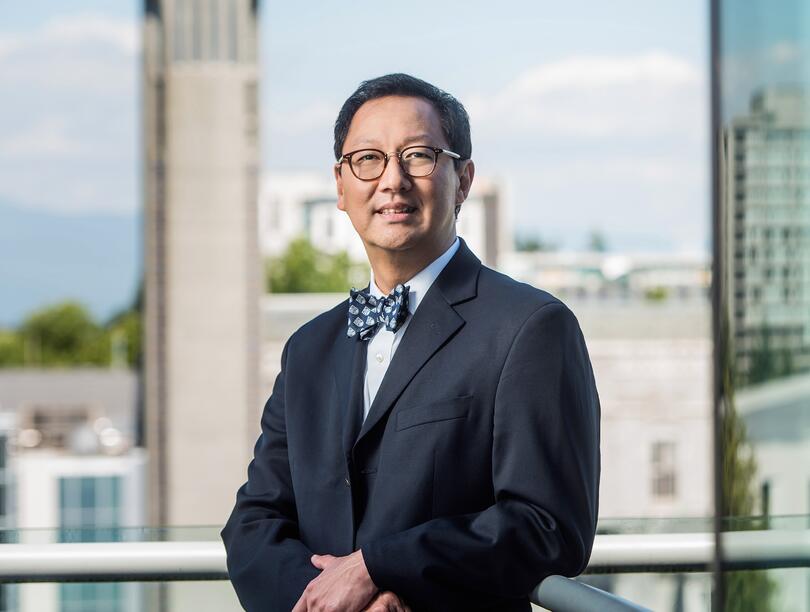
UBC President and Vice-Chancellor Santa J. Ono
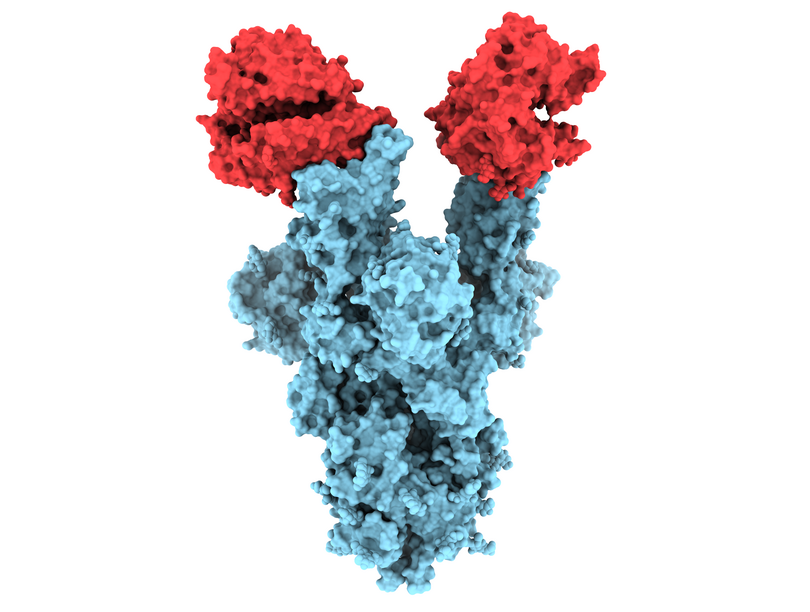
The pictures provide critical insight as to why the B.1.1.7 variant is more infectious.
A worldwide survey seeks input on everyone’s mental health.
Vaccine expert Anna Blakney addresses travel and transmission after vaccination.
UBC professor discusses the second dose and explains why some people are harder to vaccinate.
UBCO researchers help protect people from toxic chemicals.