Technology

The novel devices helping older adults to age in place.

A UBC Okanagan study explores how anger spreads online versus in person.
An Allard School of Law initiative seeks to protect the public and improve access to justice.
It all started in a UBC lab.
Could we eventually lose our ability to be musical at all?
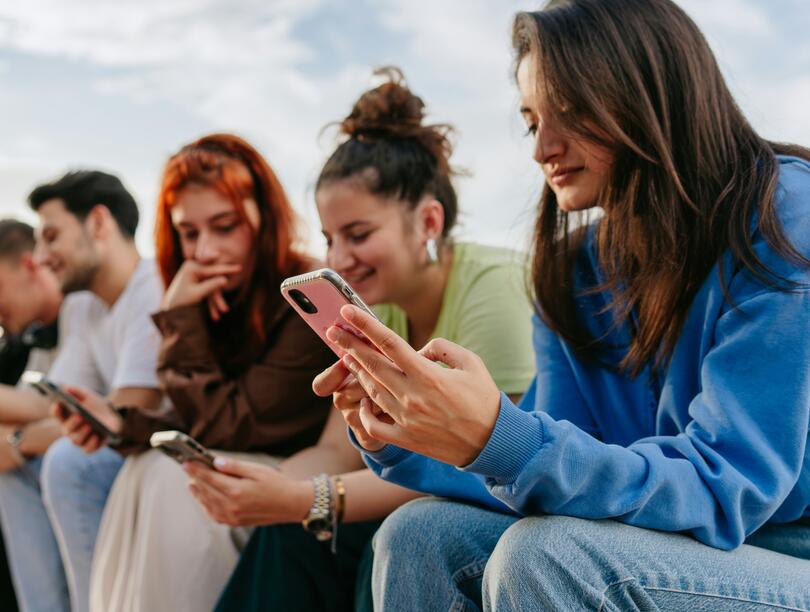
Problematic smartphone use is a growing public health concern.

UBC researchers are reimagining recovery after spinal cord injury.

UBCO researchers are using predictive tools to help communities respond quicker to wildfires.
In health care, time isn’t just valuable—it saves lives.
It’s a first-of-its-kind technology pilot project on a Canadian university campus.
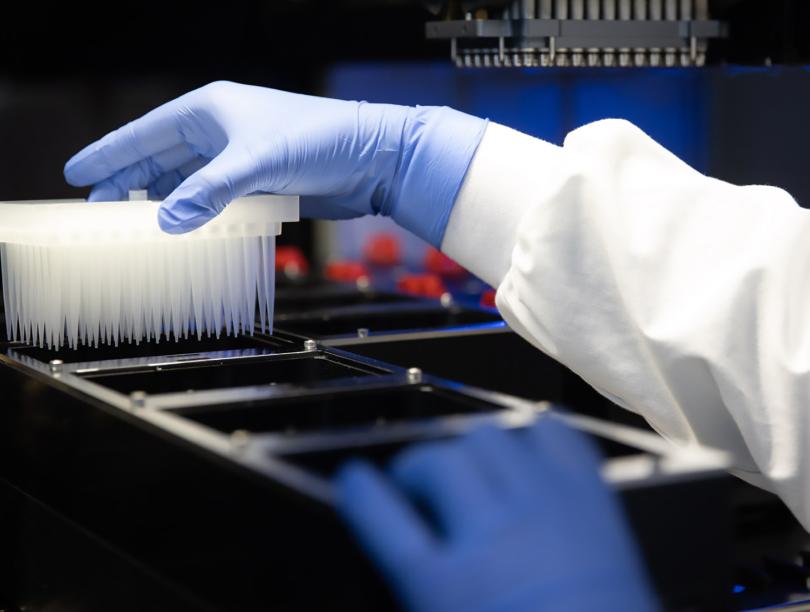
This innovation could transform how scientists study lung disease.
What began as a passion for helping others turned into province-wide recognition.
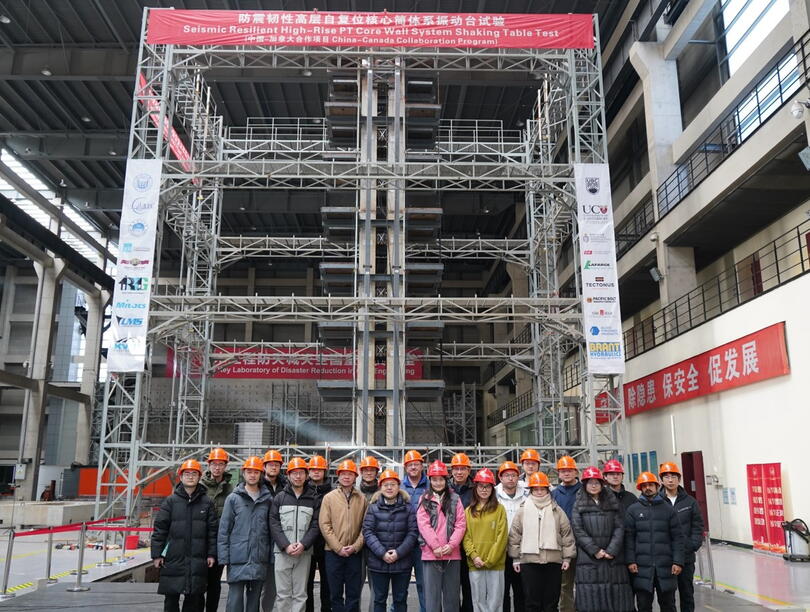
A new UBC system enables buildings to absorb earthquake energy, instead of resisting it.
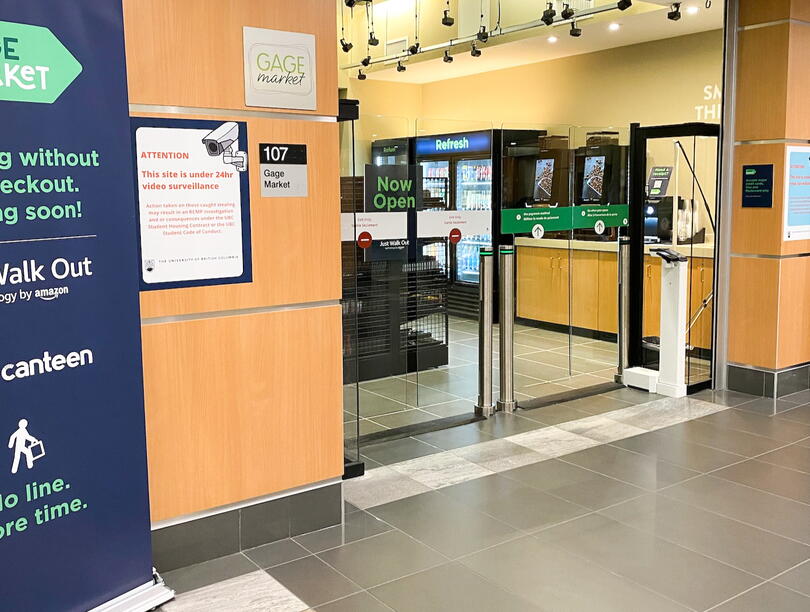
It’s the first fully autonomous convenience store in the world to feature secure gates.
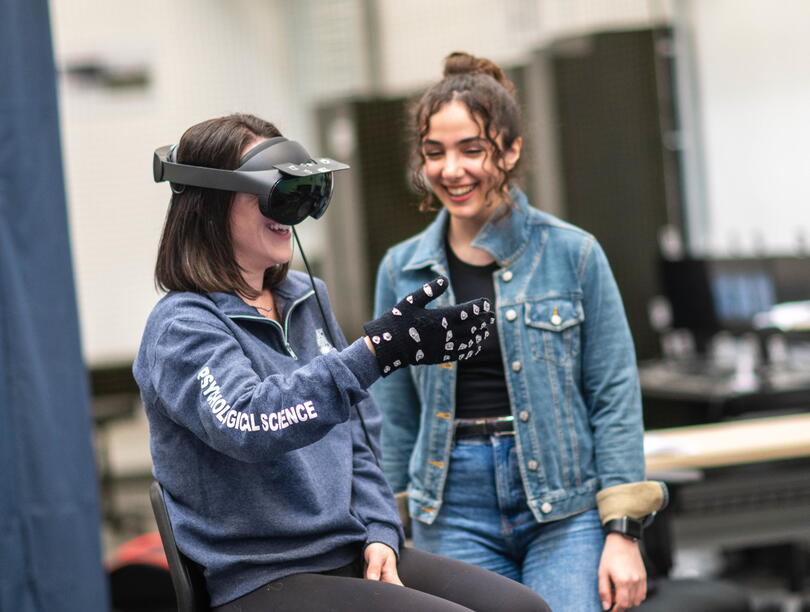
Psychology and computer science students are advancing brain injury rehabilitation.
AI's energy consumption doesn't tell the whole story of its environmental impacts.
Lawyers will have to tackle significant opportunities and risks related to AI tools.
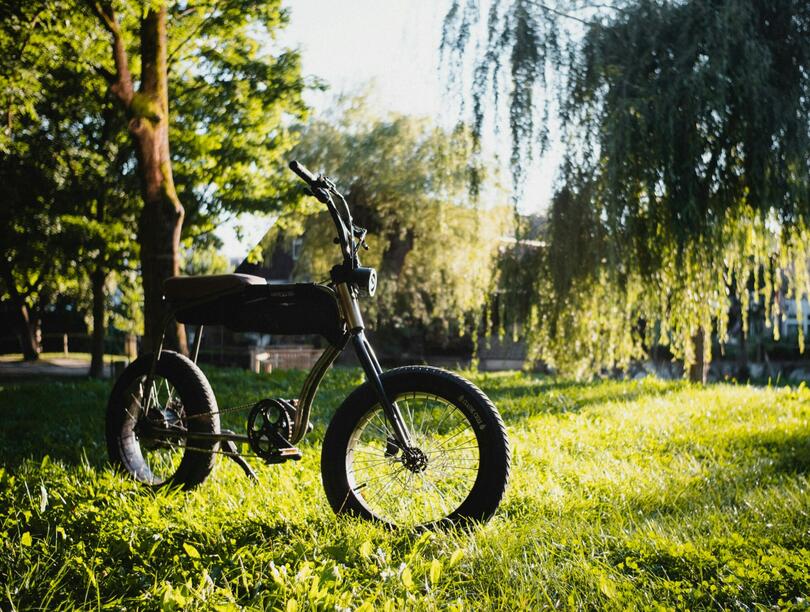
UBC researchers have found that e-bike use has skyrocketed since 2019.
Research indicates success hinges on innovation, strategic policies, and long-term contracts.

A UBC engineer is devoted to making our dirtiest chemicals clean.

UBC is a central player in Canada’s medical biotech boom.

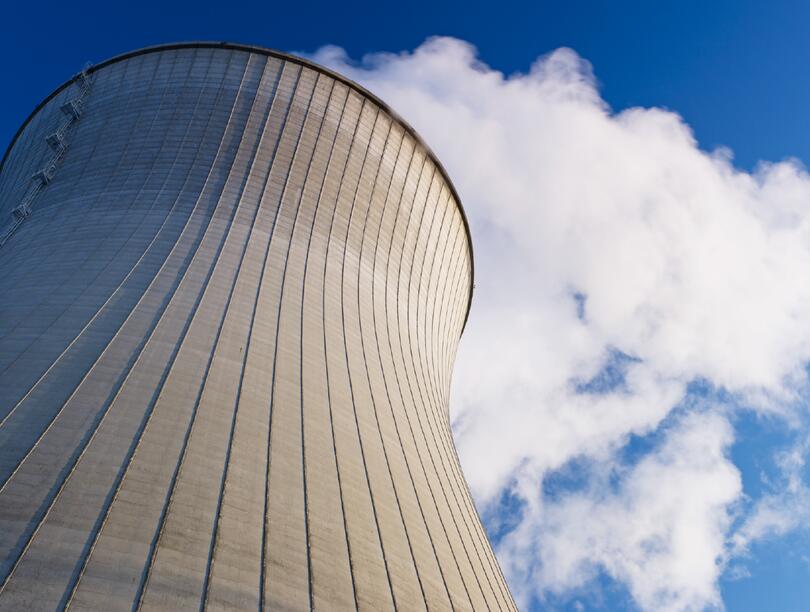
Professor M.V. Ramana discusses the "Folly of Atomic Power in the Age of Climate Change."
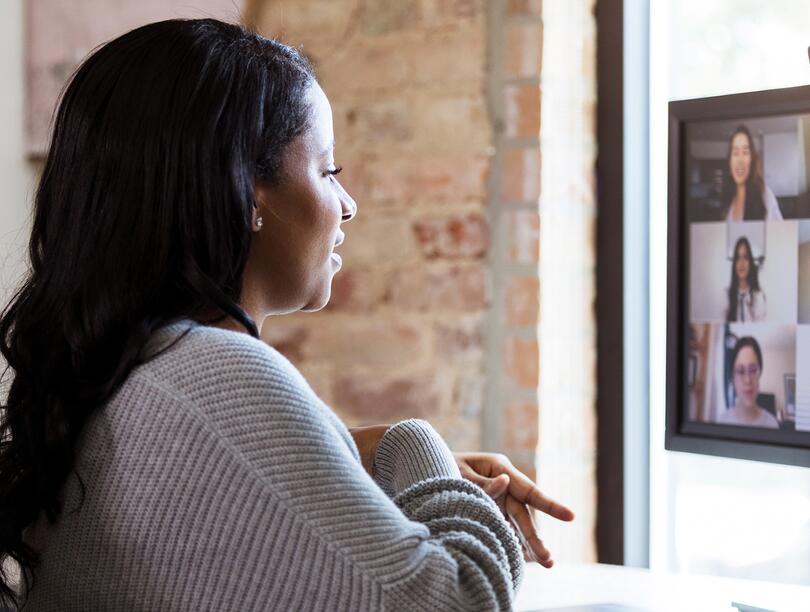
A UBCO study examines the difference between in-person and videochat perceptions.
Mental health may depend on how social media is used rather than how much it is used.
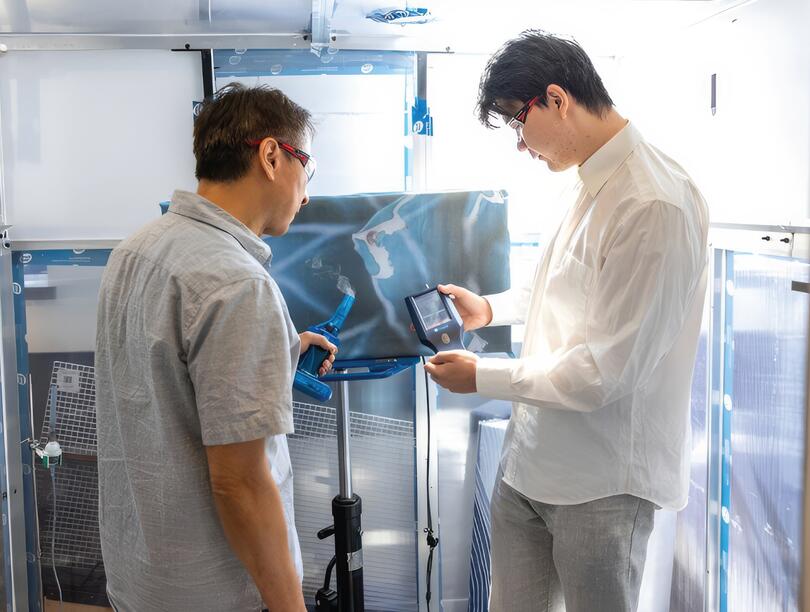
UBC Okanagan is taking an artful approach to tackle indoor air quality.
Here's why we should be vigilant, but not fatalistic.
A feasibility plan introduces a 342-kilometre route linking Kamloops and Osoyoos.

A UBC prof is cautiously optimistic.

A tech-enabled strategy for beating poverty.

Raymond Ng is using NLP to streamline complex processes and improve patient outcomes.
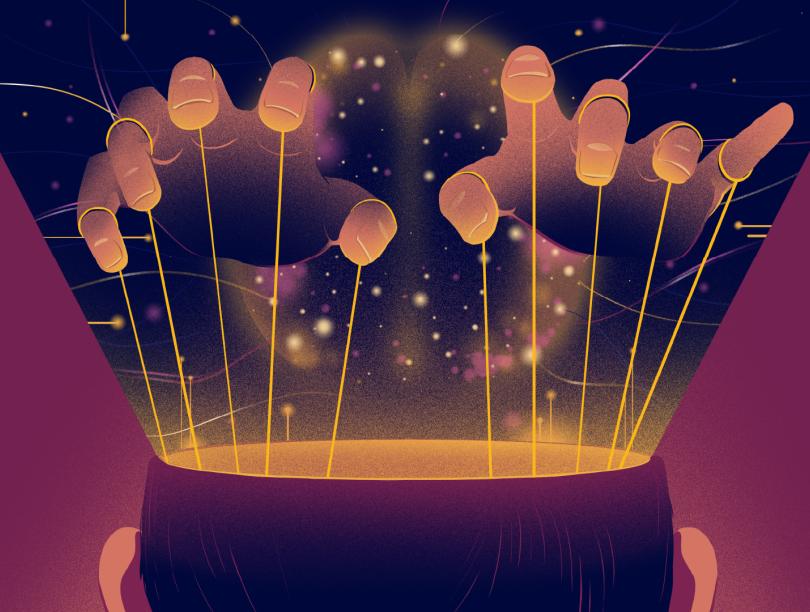
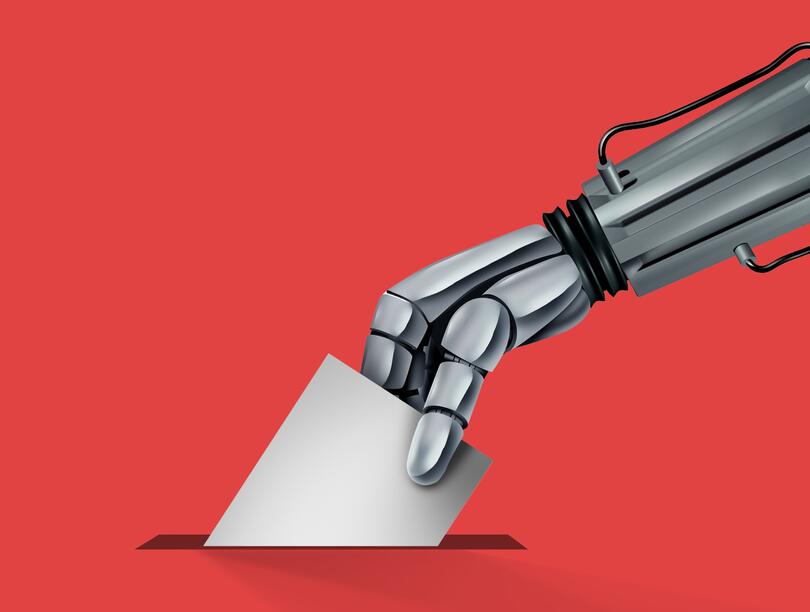
How do we make artificial intelligence accountable to the people who use it?

There are no easy answers, but satellite images and machine learning could help show us a way.

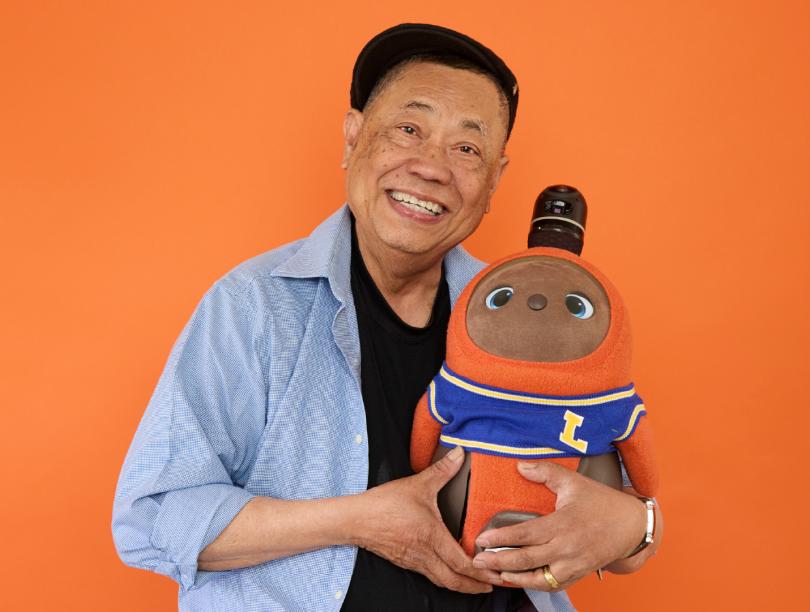
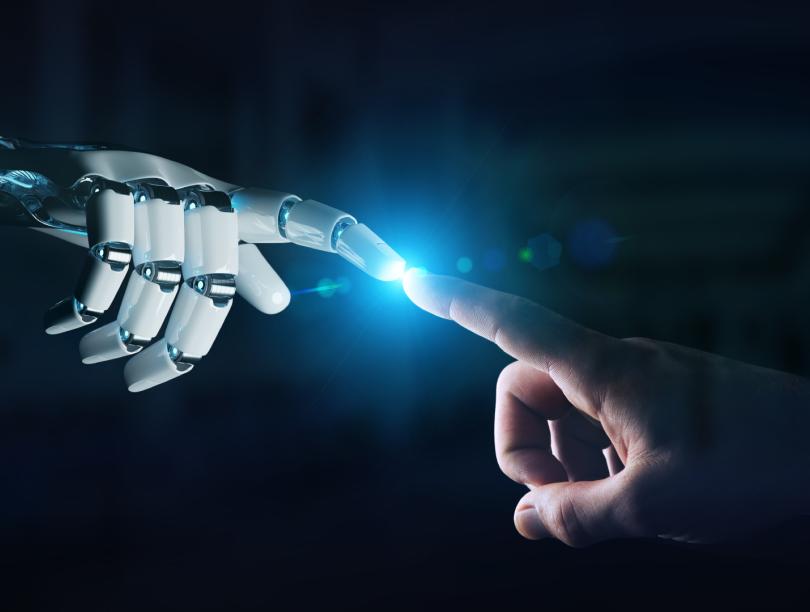
Researchers are exploring the pitfalls and potential of human-robot bonding.
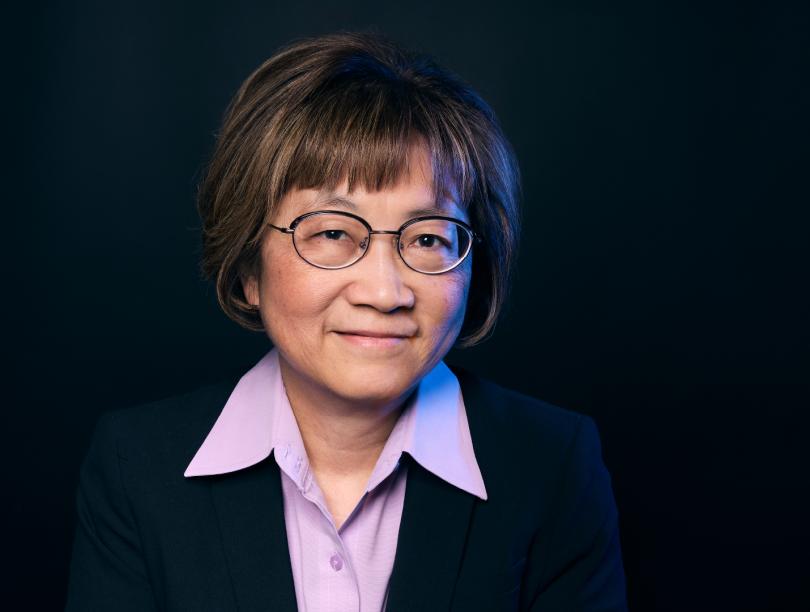
Cardiologist Teresa Tsang is using AI to advance and democratize cardiac imaging in BC.
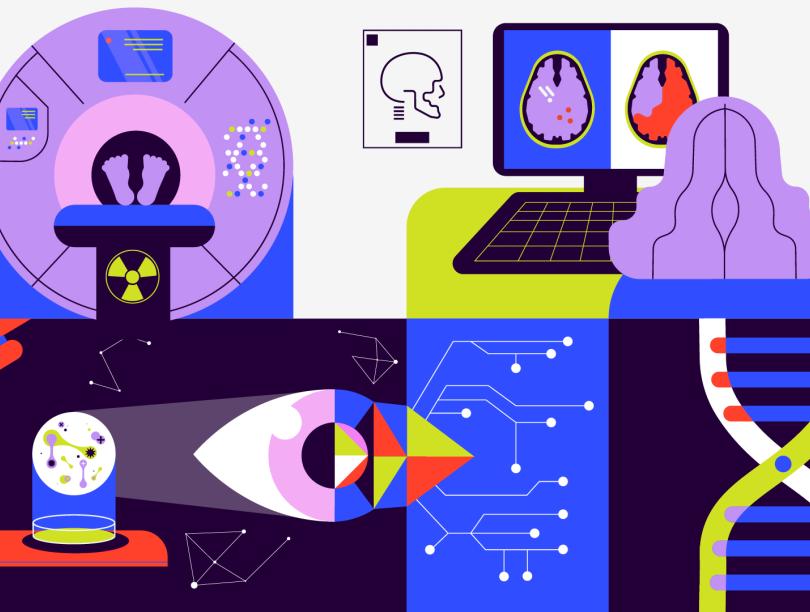
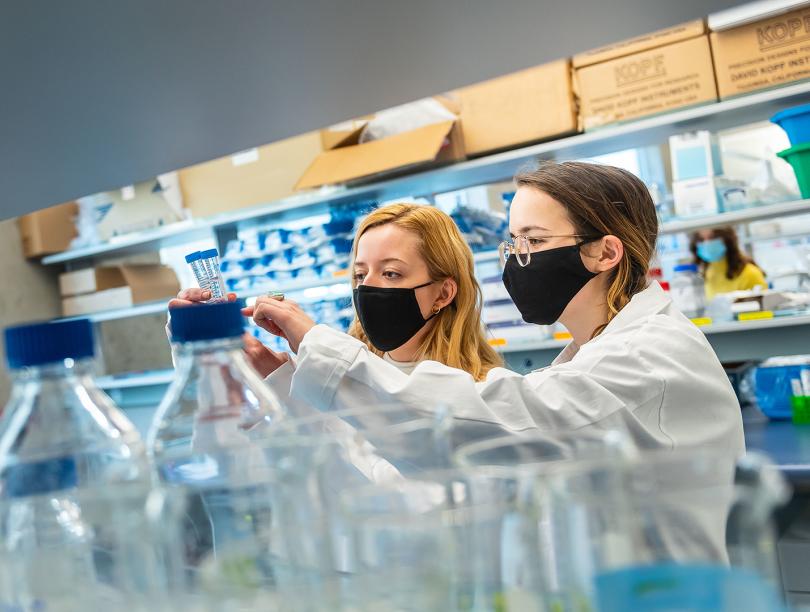
Five UBC medical breakthroughs powered by AI.

UBC is adding new spaces over six years in technology-related programs.
Lightweight, 3D printed devices can change the face of satellite communication.
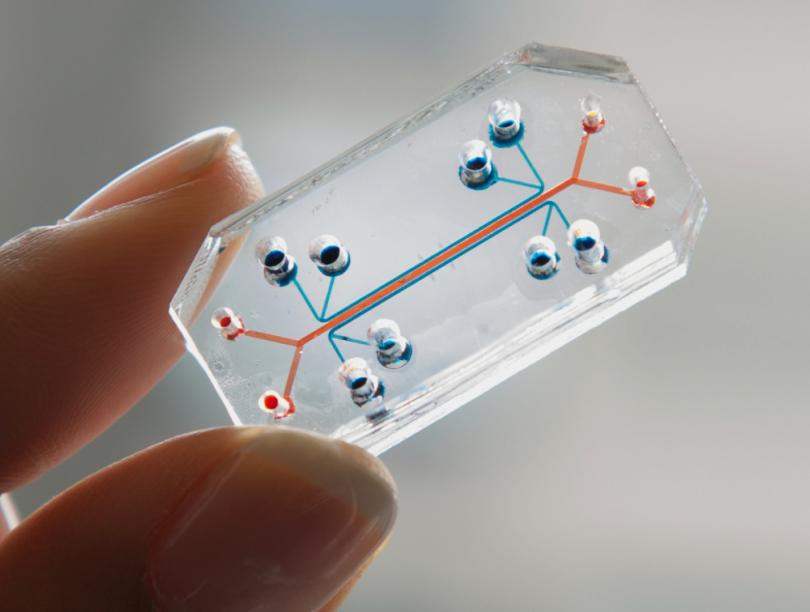
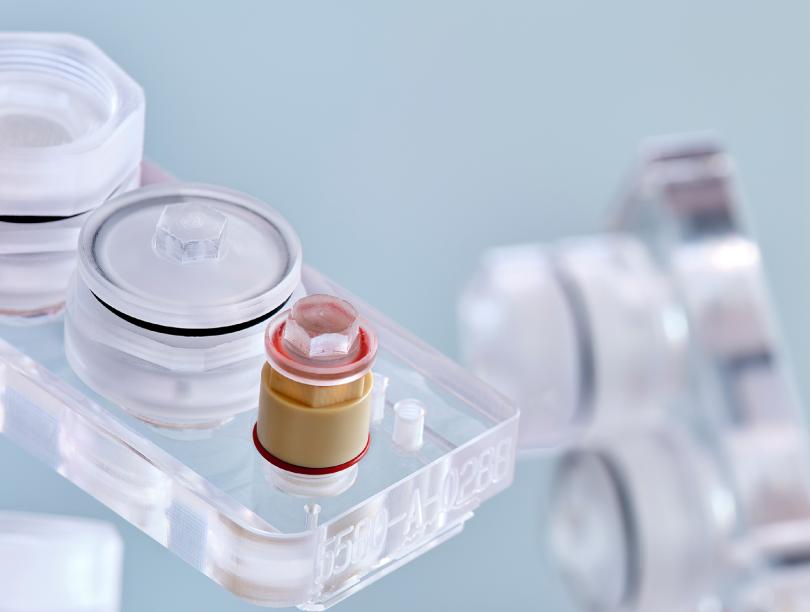
Organ model technologies can help address the challenges of drug development.
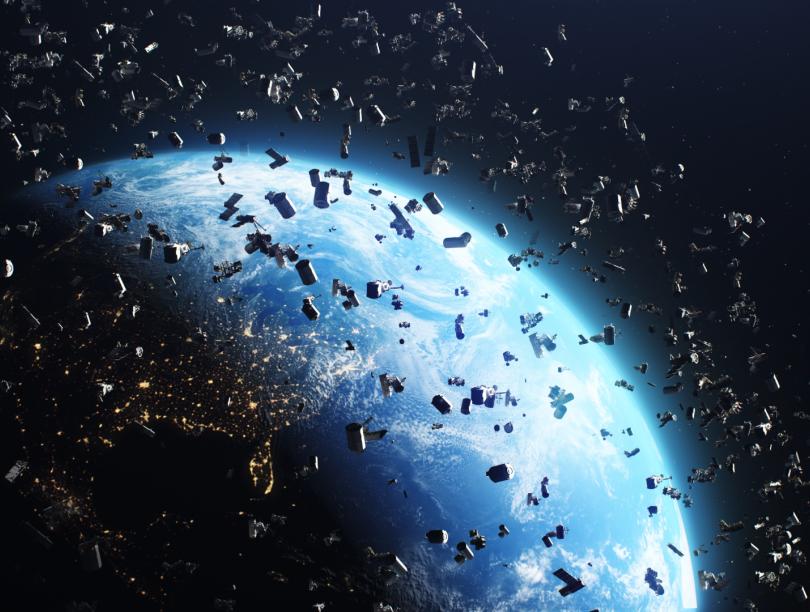
Recent megaconstellation filings are of unprecedented size, raising multiple challenges.
Potent new technologies are redefining education.
A first-of-its-kind study that links aversion to AI art with speciesism and anthropocentrism.
A new process developed at UBC to make lightweight electric cars is steering closer to reality.
Recent events have marked a powerful inflection point in Canadian journalism.
Imagine a digital clone that looks, talks, and behaves just like you, created by artificial
Rather than fearing AI, some UBC professors integrating it into their courses.
Online debates arose about anti-Semitic imagery and content in this Harry Potter game.
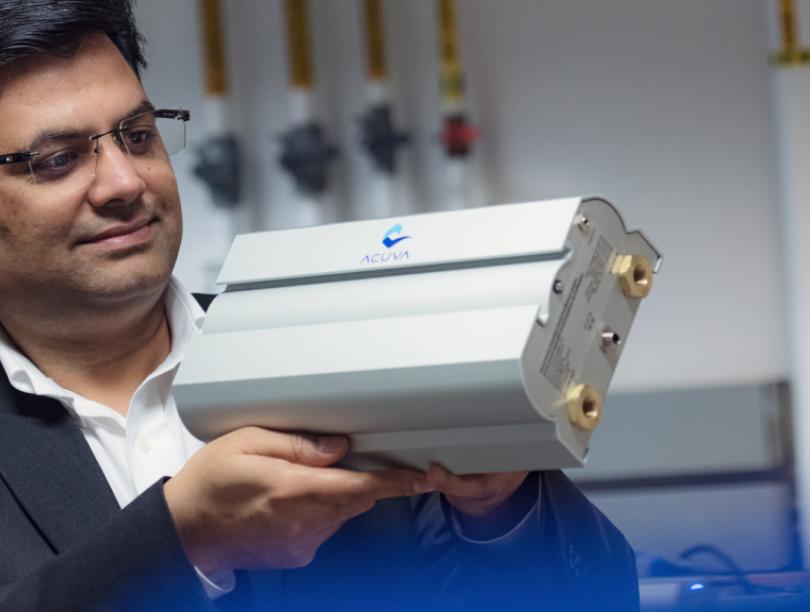
“Think Brita filter, but a thousand times better.”
Companies are using heat from data centres to grow crops indoors — but there are issues.

A UBC psychology professor finds out the hard way.

Propeller noise accounts for much of the underwater acoustic barrage from ships.

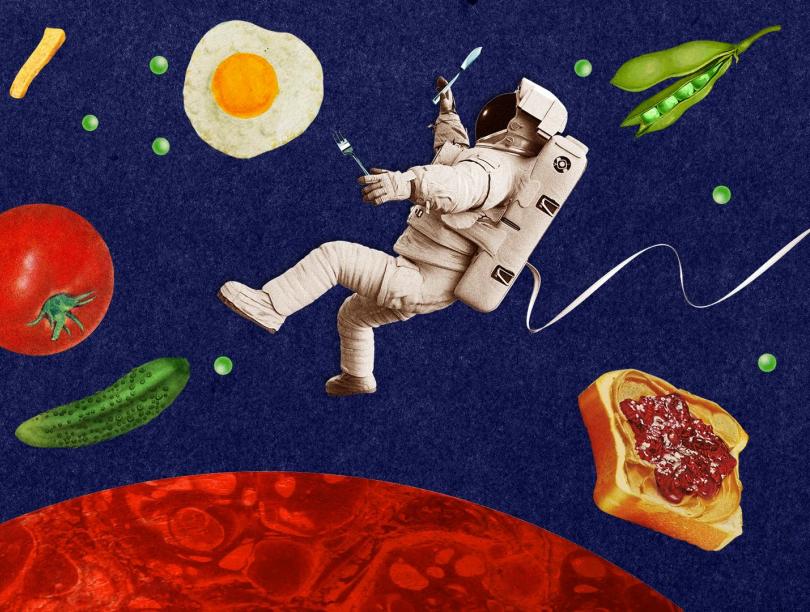
A UBC prof tackles the challenge of adequate nutrition for astronauts.

Innovative methods for preserving food are preventing spoilage and waste without sacrificing...
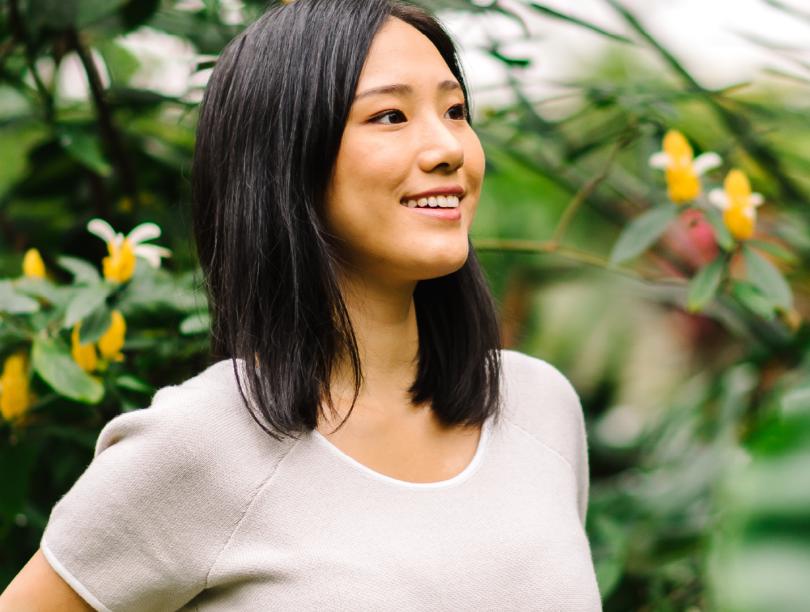
Engineer devises a tool to protect pregnant women and their babies.

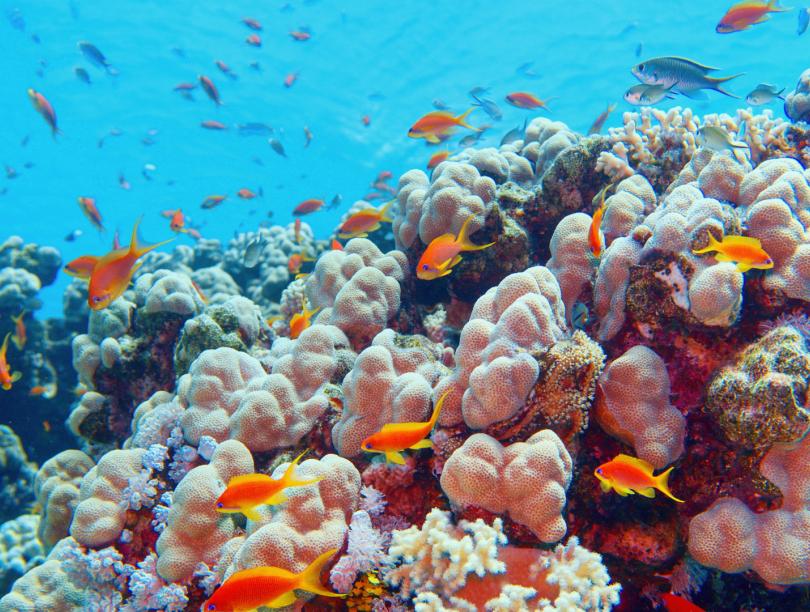
The research team found that more diverse coral communities were most resilient.
UBC researchers are navigating what’s called “the last and grandest biological frontier.”
AI–generated text will soon be indistinguishable from that written by a person.
Mandating that leftover rockets are guided safely back to Earth could save lives.
Using VR and AR for outdoor education can boost knowledge, access, and well-being.

UBC scientists take a leaf from nature’s book.

A campus project could become a blueprint for predicting insect activity.
Gig industry platforms fail to acknowledge the realities of women workers’ experiences.
Two UBC ventures are working on solutions to eliminate plastic waste.
A new device is helping to make the world more accessible for people with disabilities.
A lab is aiming to speed up a mineralization process from thousands of years to weeks.

A UBC concussion study could pave the way for safer hockey.
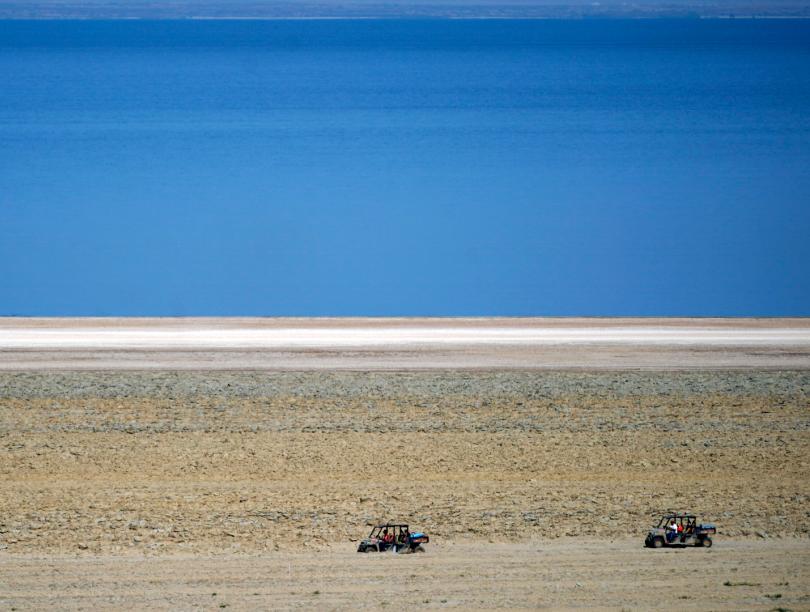
Innovations and changes in the metal supply chain can reduce the footprint of metal extraction.
A research team uncovered almost 10 times more RNA viruses than were previously known.
UBC researchers have created what may be the first battery that is both flexible and washable.
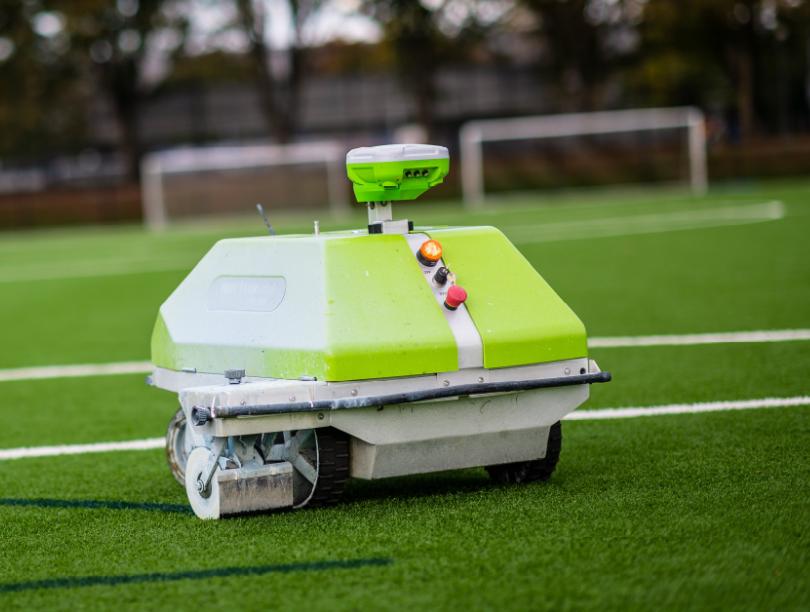
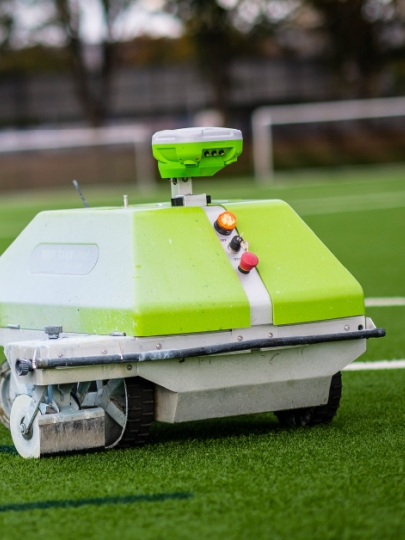
The newest member of UBC’s Athletics & Recreation team is a line-painting robot.
Leveraging their uniquely human qualities will give workers the edge in a high-tech future.
A UBC film prof's new documentary offers a glimpse into a dystopian digital economy.
A UBC prof adds some zip to our Zoom.
Three UBC students launched a non-profit to help neurodiverse youth in computer sciences.
Zoom works for the information industries, but how do we perform physical work remotely?
Sepideh Pakpour investigates how microorganisms in our built environment interact with us.
COP26 aims to help countries protect communities and natural habitats amid climate change.
Getting people to care about the oceans can be particularly challenging.

A new sensor provides a quick test to measure antibiotic resistance.

B.C. could be the next hub for developing and manufacturing the high-tech vaccine platform.
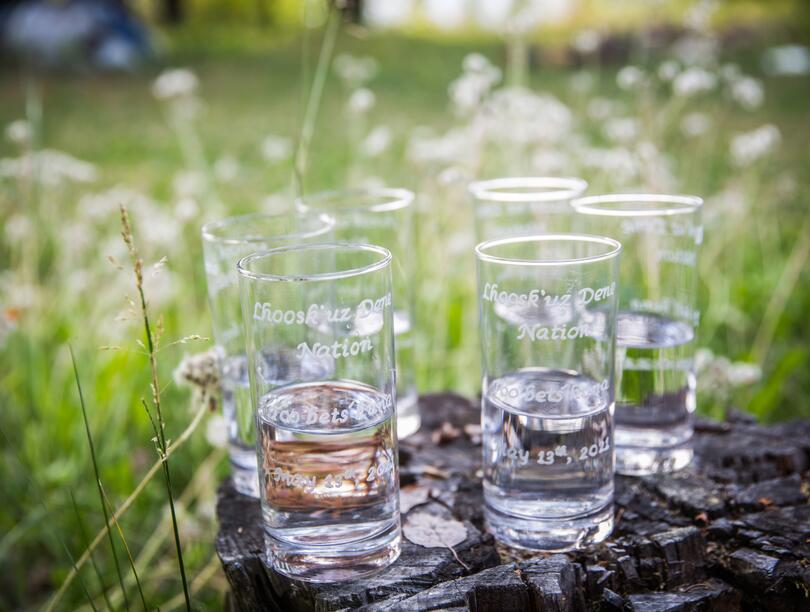
After decades of relying on bottled water, the village now has clean tap water.
Kunal Sethi’s startup UVX aims to clean hospitals and care homes with a safe form of UV light.
Take a look at these UBC-grown medical marvels.
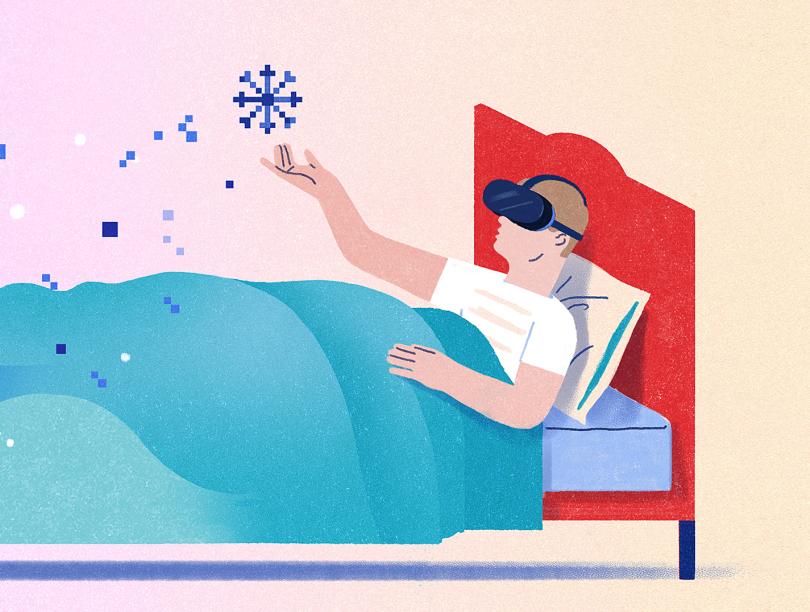
A UBC Nursing professor discusses virtual reality's potential to block out external pain.
A novel method for assessing dementia risk could help populate critical drug trials.
UBC’s Hedtrich Lab takes on Canada’s other drug crisis.
A UBC spinoff’s COVID-19 response boosted its ability to discover more antibody therapies.
Here’s how CRISPR gene-editing technology is changing the future of health sciences.
App walks through the experiences of Syrian refugees to gain more understanding of their lives.
How an MBA grad was equipped to potentially change the lives of millions.
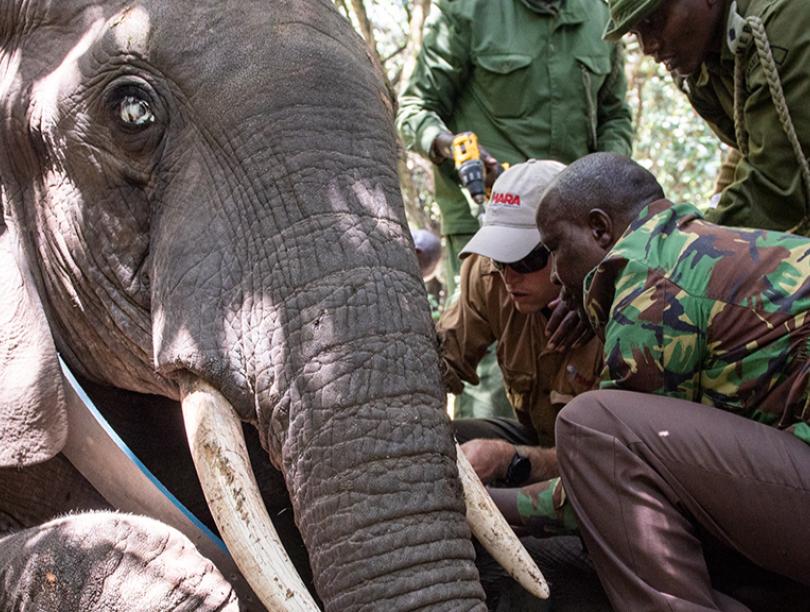
A sophisticated tracking system using GPS is helping prevent elephant-human conflict.
Data artist Jer Thorp speaks out against the monopoly and misuse of our data.
Not interested in the intensely competitive nature of video games, Brie Code made her own app.
Student uses AI to design a voice-activated wheelchair.
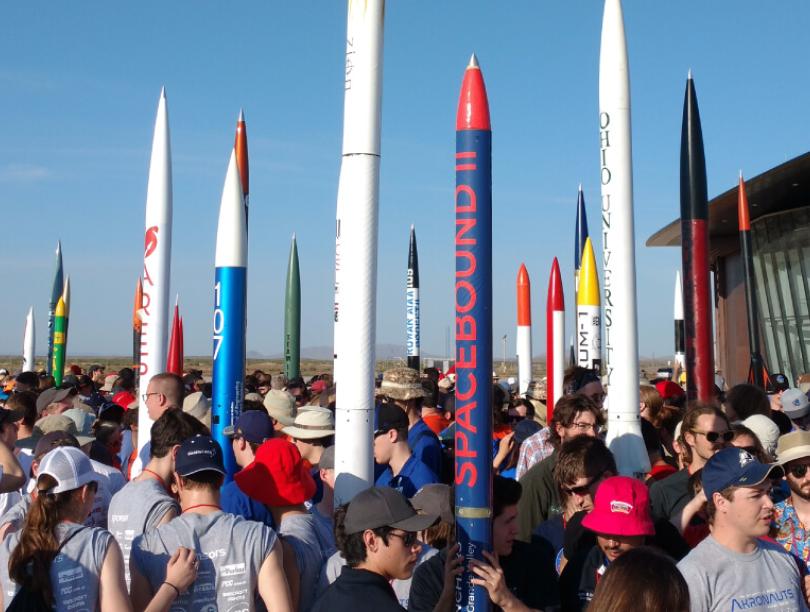
UBC students are building a rocket to launch into space.
Meet the Beijing-based couple tackling air pollution.
We have the technology. We have the data. But it will take smart humans to build smart cities.
Turning academic research into real-world results.
The hectic life of a Formula 1 engineer.
Innovative concrete created at UBC has helped build the world's first self-repairing road.
Wasting time isn’t an option for inventor and UBC student Ann Makosinski.