


Technology

Novel modular construction using AI and robots can raise a 15-storey building in under a week.

This engineer studies how buildings fail during earthquakes, and redesigns them so they don’t.

UBCO research reveals how Facebook’s news ban impacted wildfire-affected communities.

Turning building plans into an integrated virtual platform that can be updated in real time.

A UBC Okanagan study explores how anger spreads online versus in person.

An Allard School of Law initiative seeks to protect the public and improve access to justice.


Could we eventually lose our ability to be musical at all?

Problematic smartphone use is a growing public health concern.


UBC researchers are reimagining recovery after spinal cord injury.

UBCO researchers are using predictive tools to help communities respond quicker to wildfires.

In health care, time isn’t just valuable—it saves lives.

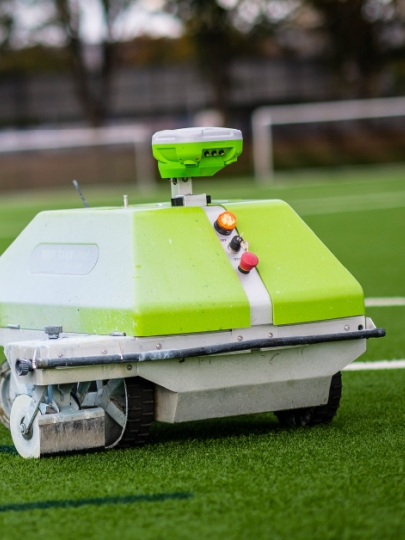
It’s a first-of-its-kind technology pilot project on a Canadian university campus.

This innovation could transform how scientists study lung disease.

What began as a passion for helping others turned into province-wide recognition.
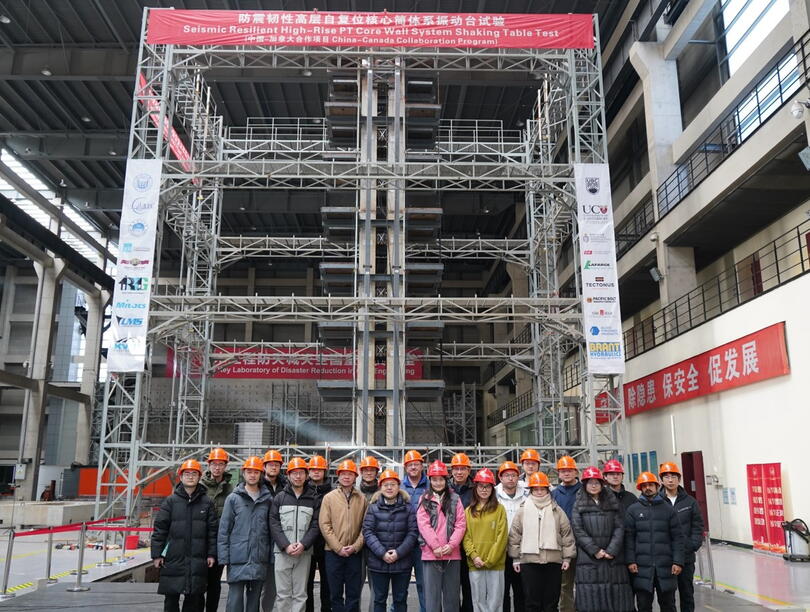
A new UBC system enables buildings to absorb earthquake energy, instead of resisting it.
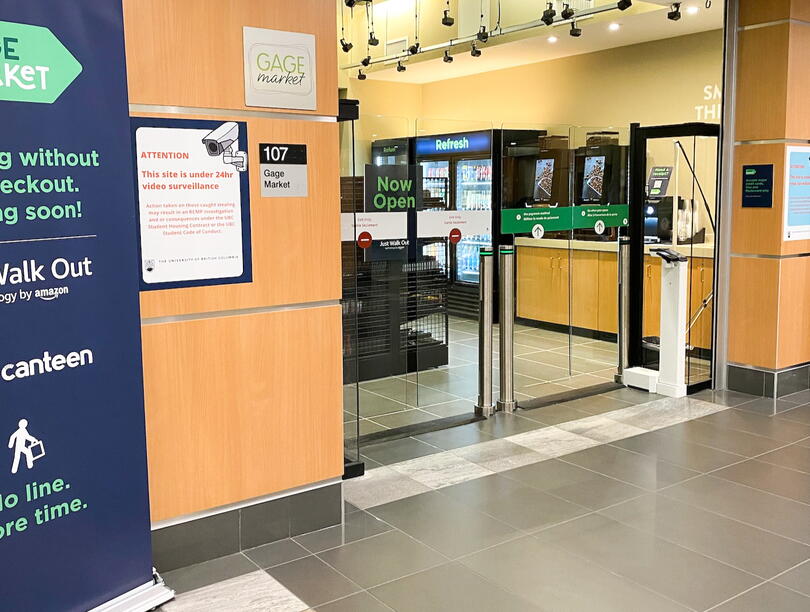
It’s the first fully autonomous convenience store in the world to feature secure gates.
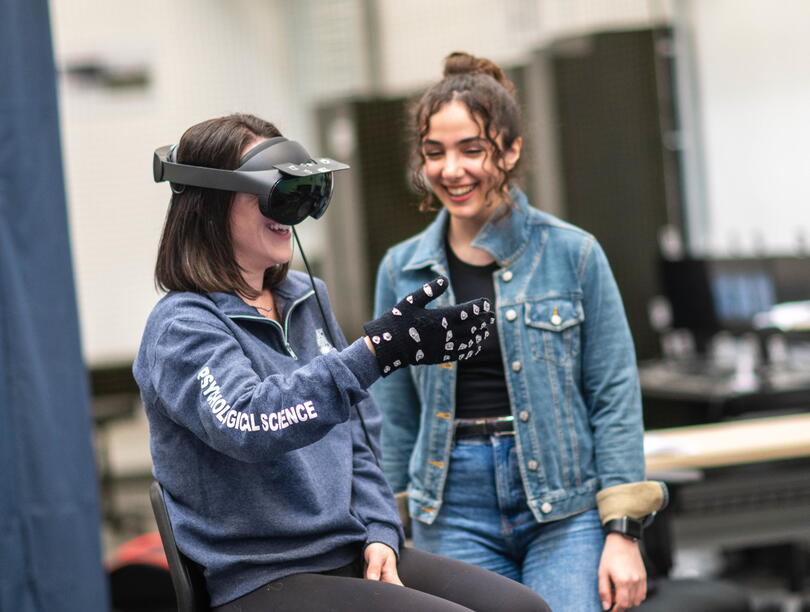
Psychology and computer science students are advancing brain injury rehabilitation.

AI's energy consumption doesn't tell the whole story of its environmental impacts.

Lawyers will have to tackle significant opportunities and risks related to AI tools.
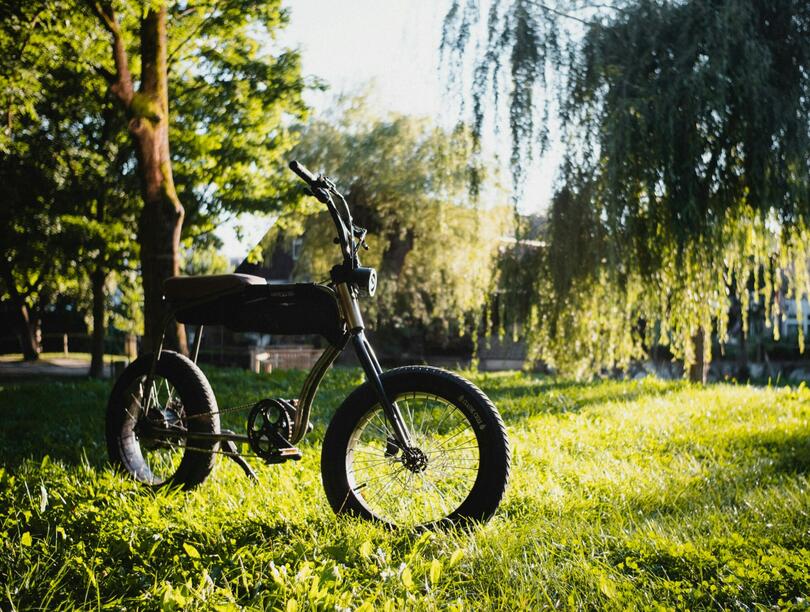
UBC researchers have found that e-bike use has skyrocketed since 2019.
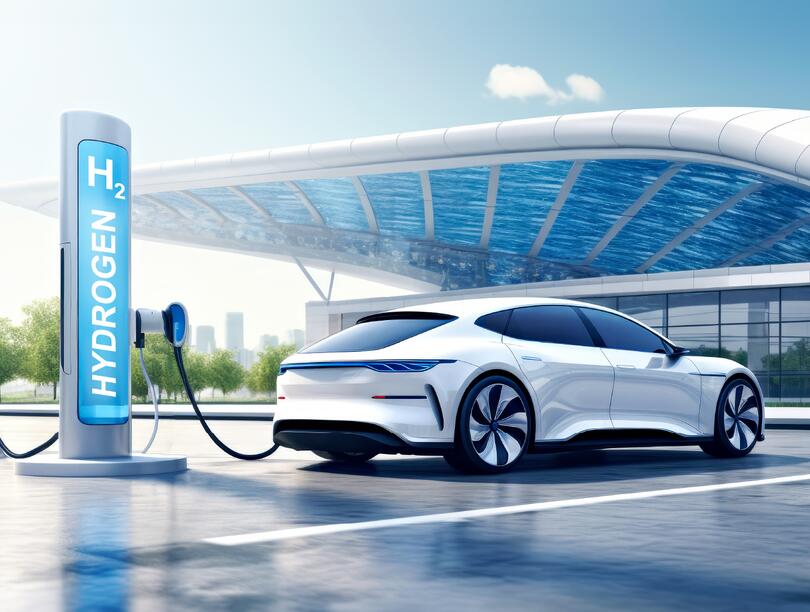
Research indicates success hinges on innovation, strategic policies, and long-term contracts.
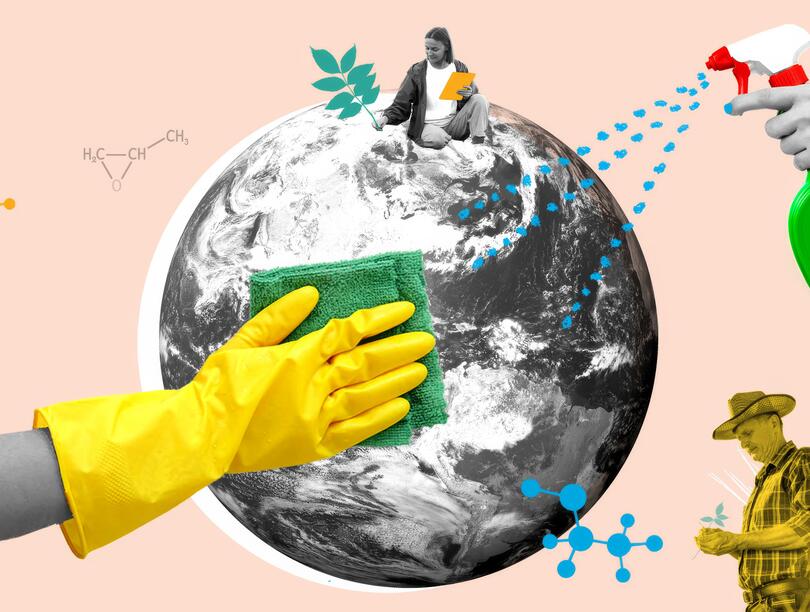
A UBC engineer is devoted to making our dirtiest chemicals clean.

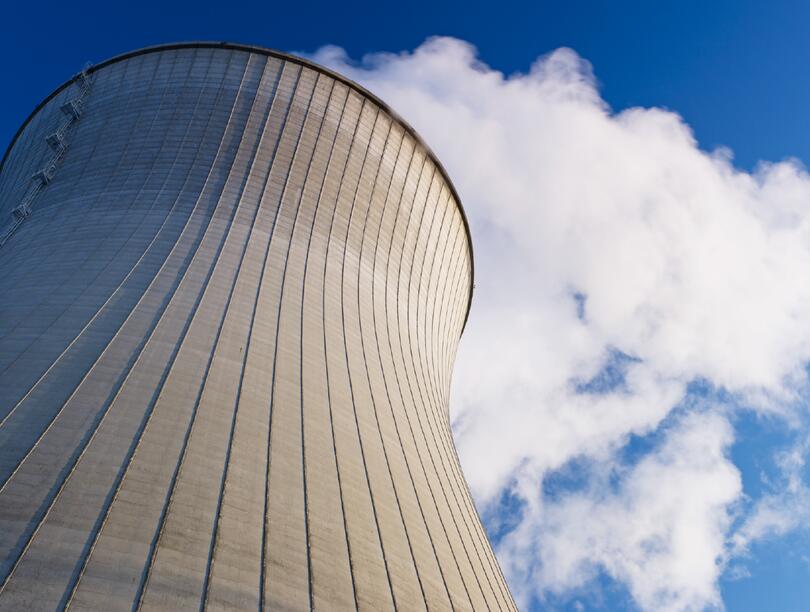
Professor M.V. Ramana discusses the "Folly of Atomic Power in the Age of Climate Change."

A UBCO study examines the difference between in-person and videochat perceptions.
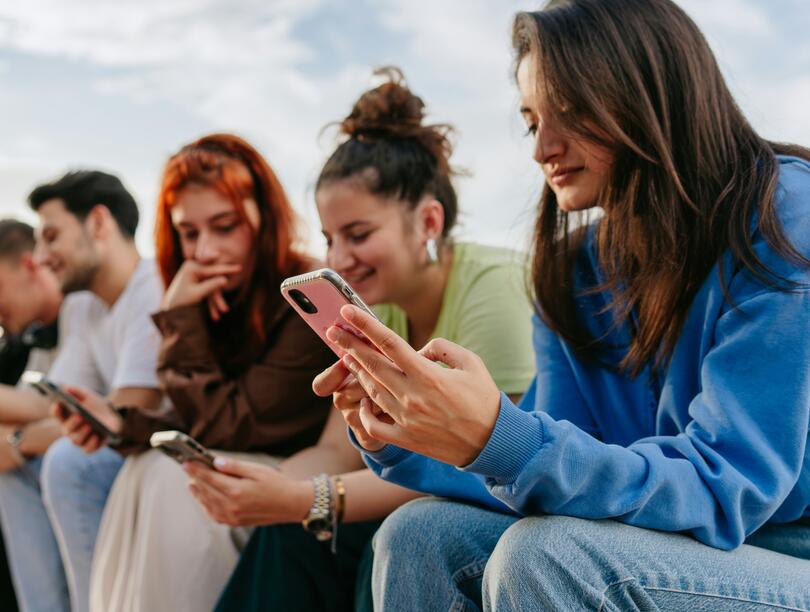
Mental health may depend on how social media is used rather than how much it is used.
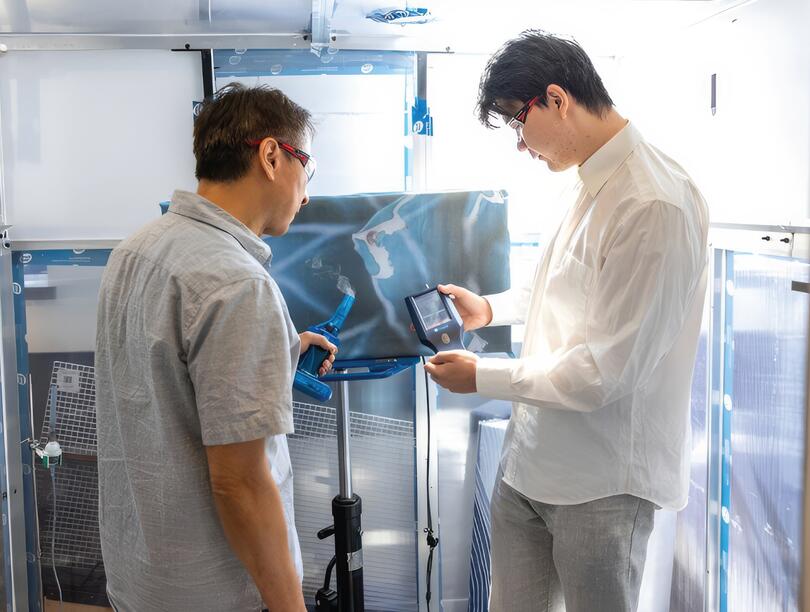
UBC Okanagan is taking an artful approach to tackle indoor air quality.
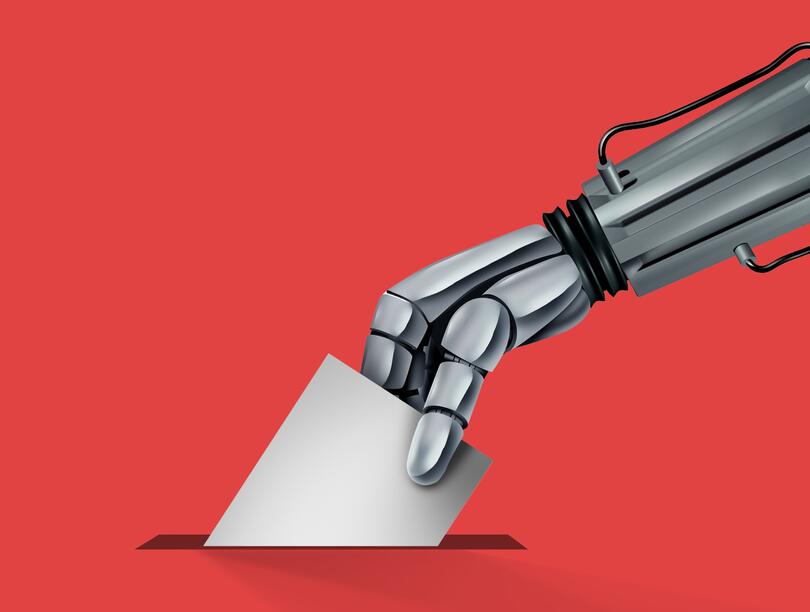
Here's why we should be vigilant, but not fatalistic.

A feasibility plan introduces a 342-kilometre route linking Kamloops and Osoyoos.
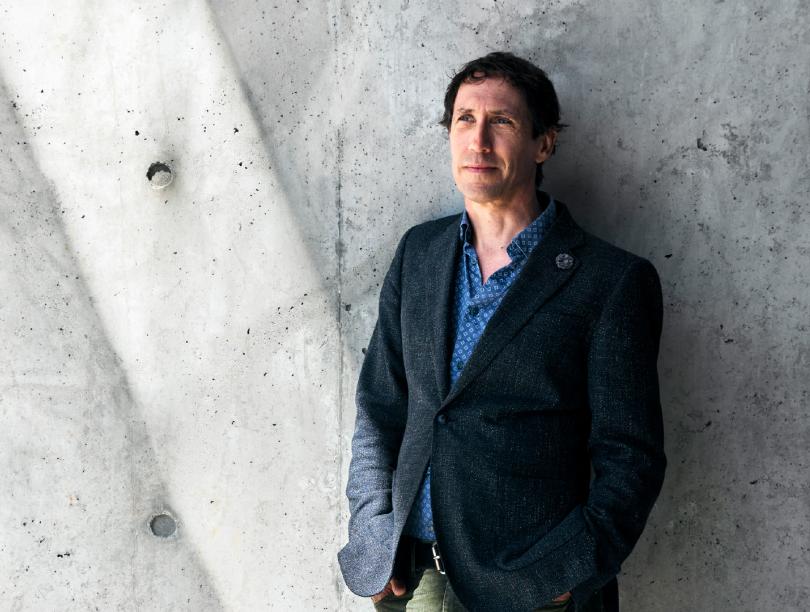
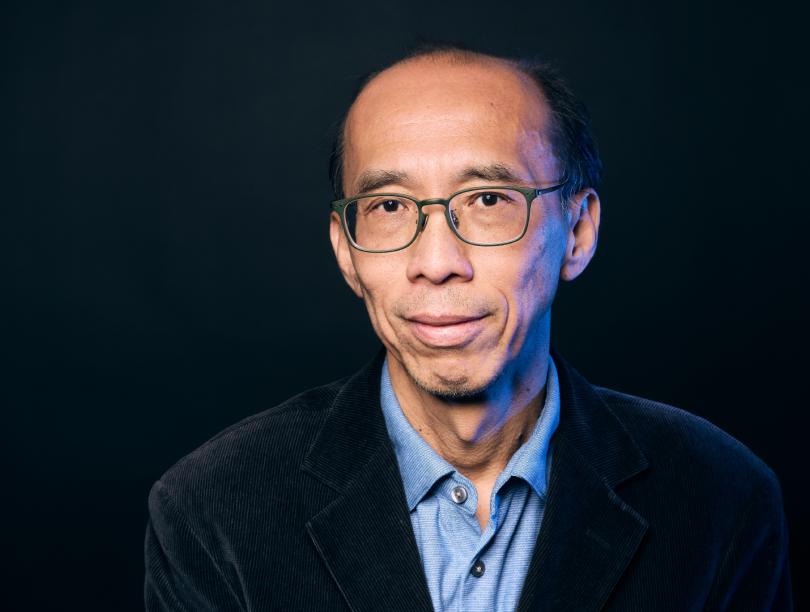
Raymond Ng is using NLP to streamline complex processes and improve patient outcomes.
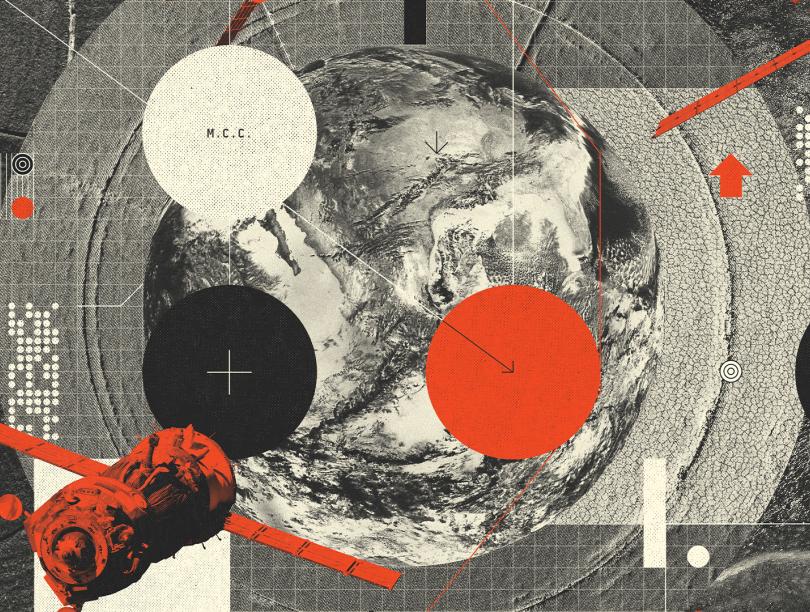
There are no easy answers, but satellite images and machine learning could help show us a way.
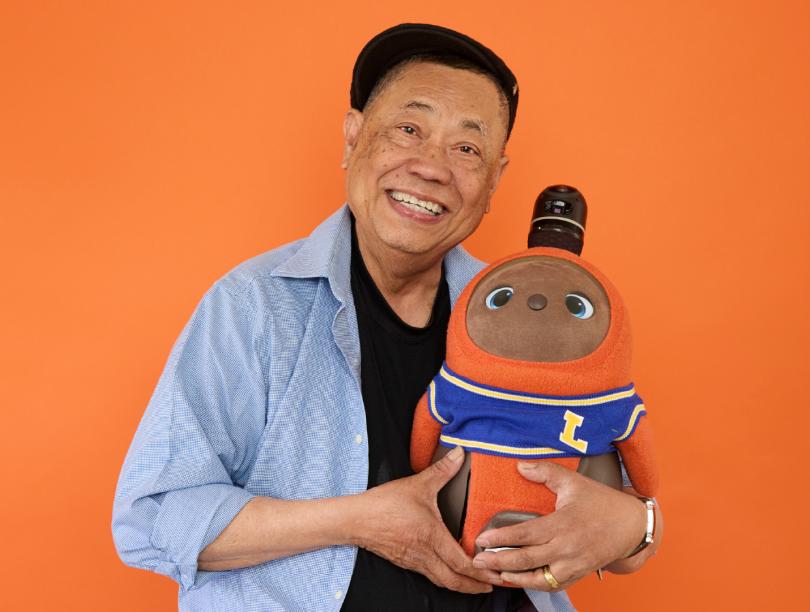
Researchers are exploring the pitfalls and potential of human-robot bonding.

Cardiologist Teresa Tsang is using AI to advance and democratize cardiac imaging in BC.
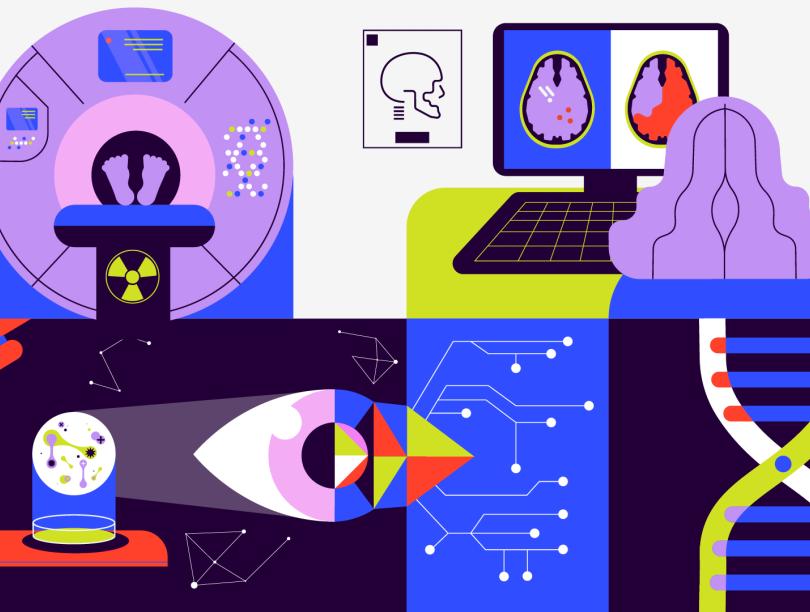
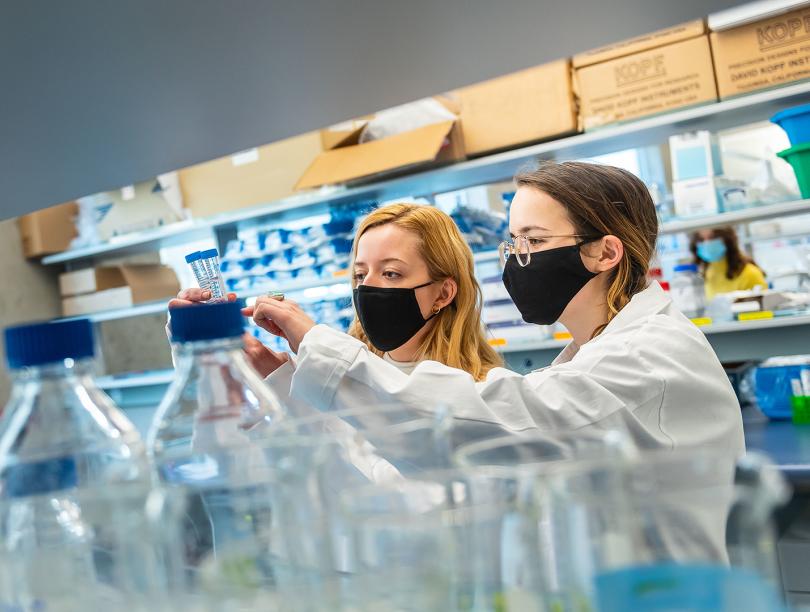
UBC is adding new spaces over six years in technology-related programs.
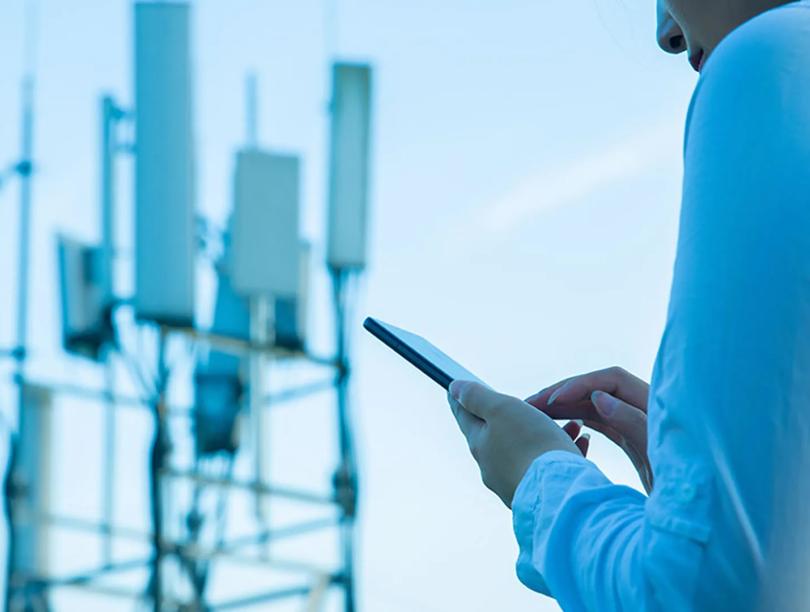
Lightweight, 3D printed devices can change the face of satellite communication.
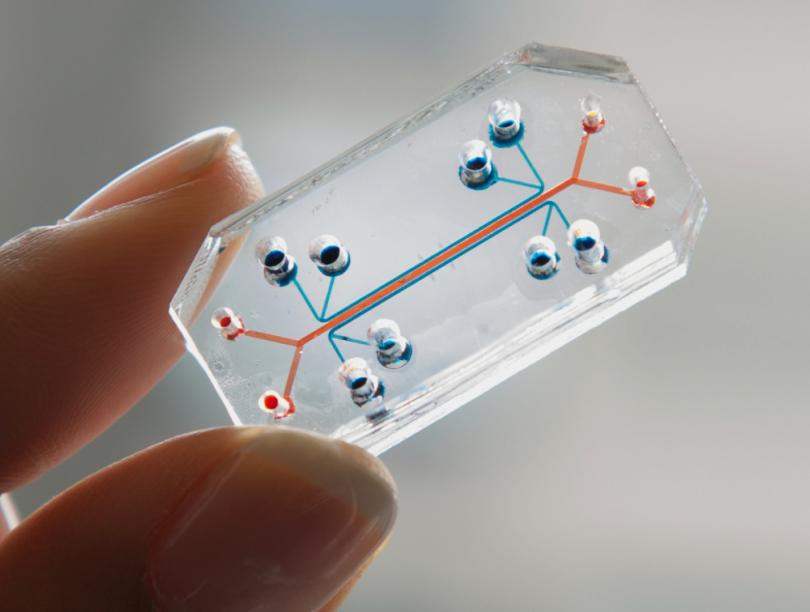
Organ model technologies can help address the challenges of drug development.

Recent megaconstellation filings are of unprecedented size, raising multiple challenges.


A first-of-its-kind study that links aversion to AI art with speciesism and anthropocentrism.
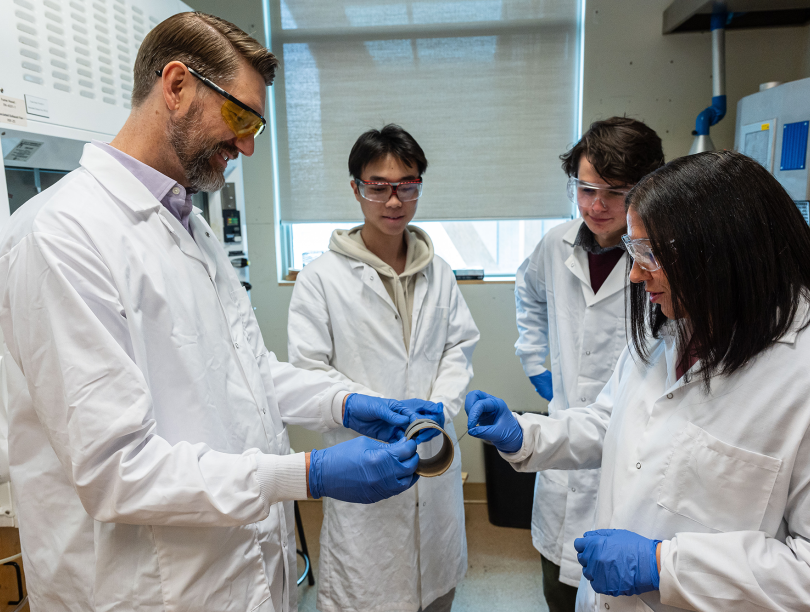
A new process developed at UBC to make lightweight electric cars is steering closer to reality.

Recent events have marked a powerful inflection point in Canadian journalism.
Imagine a digital clone that looks, talks, and behaves just like you, created by artificial
Rather than fearing AI, some UBC professors integrating it into their courses.
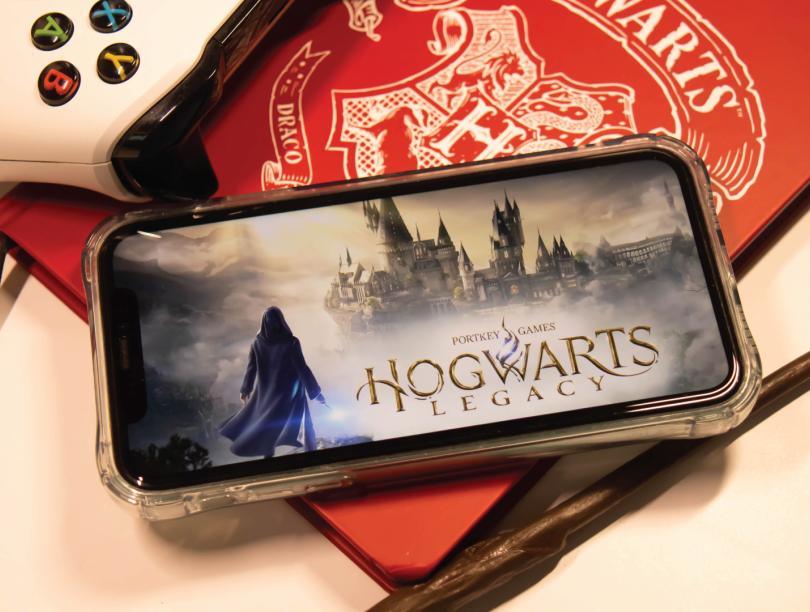
Online debates arose about anti-Semitic imagery and content in this Harry Potter game.
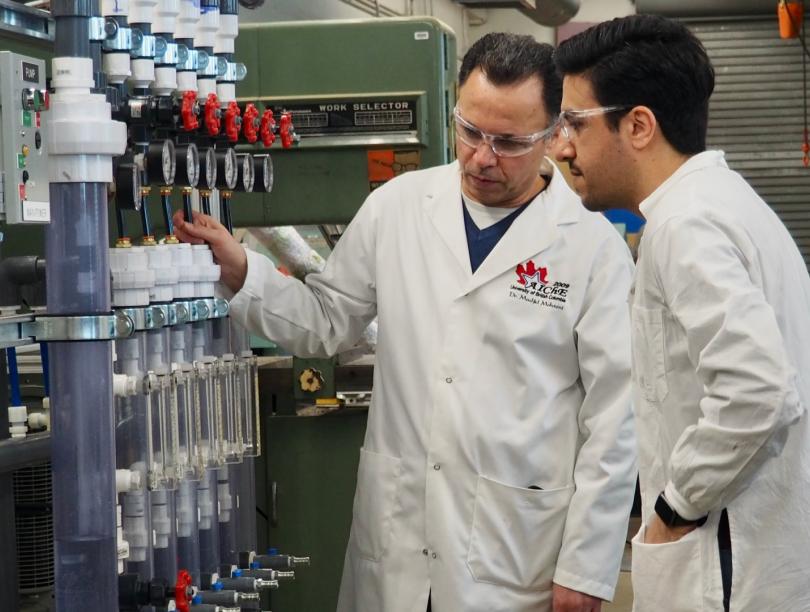
“Think Brita filter, but a thousand times better.”
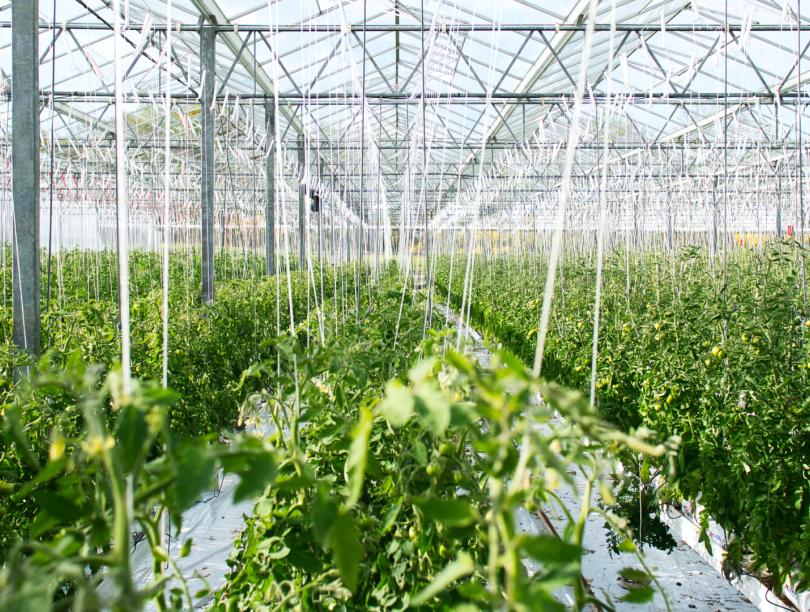
Companies are using heat from data centres to grow crops indoors — but there are issues.

Propeller noise accounts for much of the underwater acoustic barrage from ships.
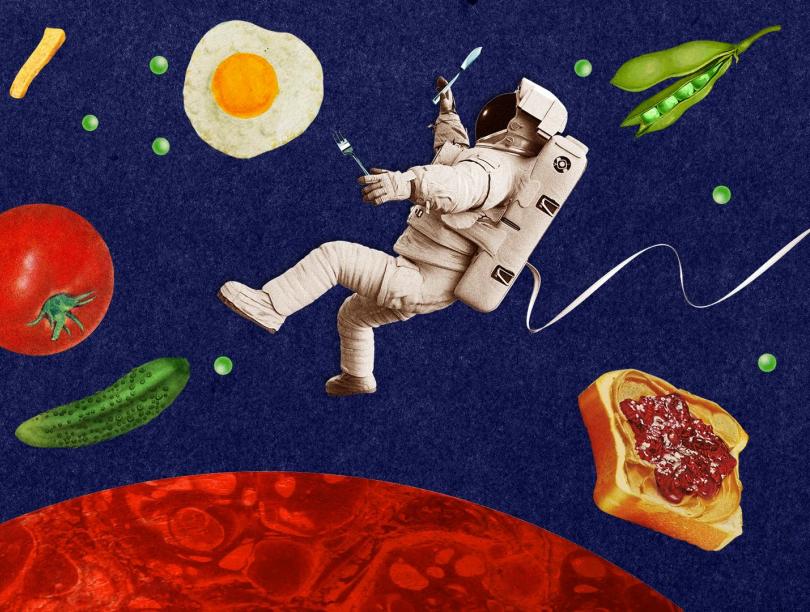
Innovative methods for preserving food are preventing spoilage and waste without sacrificing...

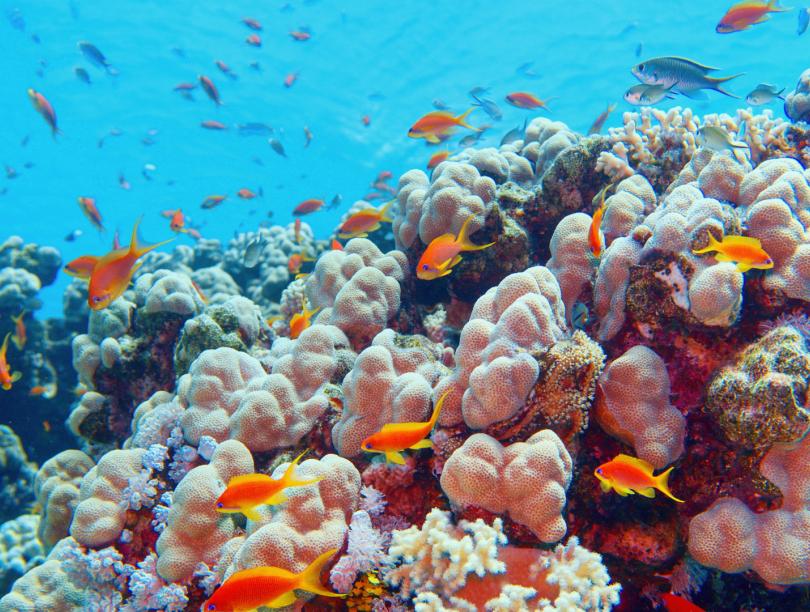
The research team found that more diverse coral communities were most resilient.
UBC researchers are navigating what’s called “the last and grandest biological frontier.”
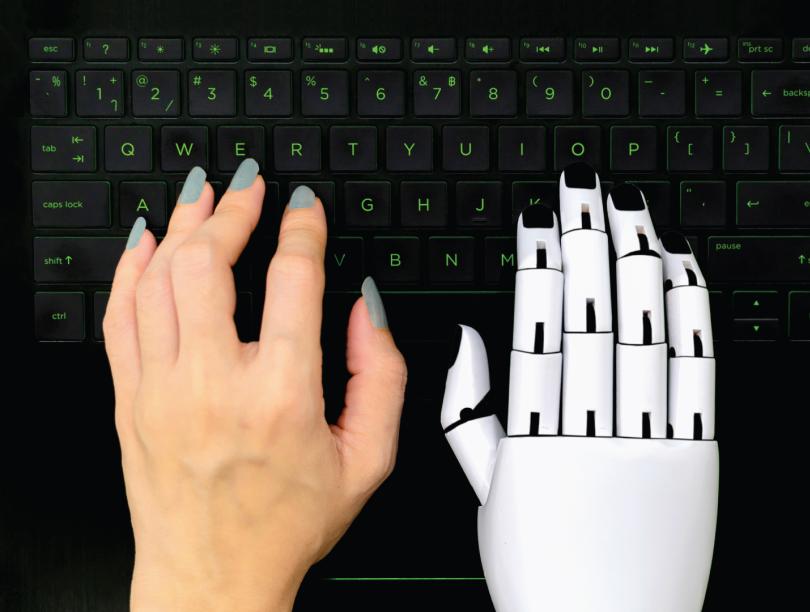
AI–generated text will soon be indistinguishable from that written by a person.
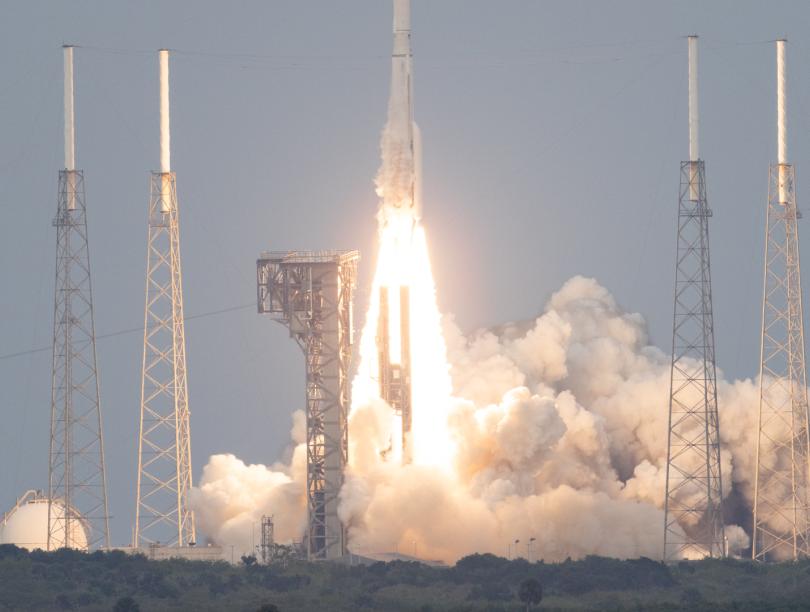
Mandating that leftover rockets are guided safely back to Earth could save lives.

Using VR and AR for outdoor education can boost knowledge, access, and well-being.
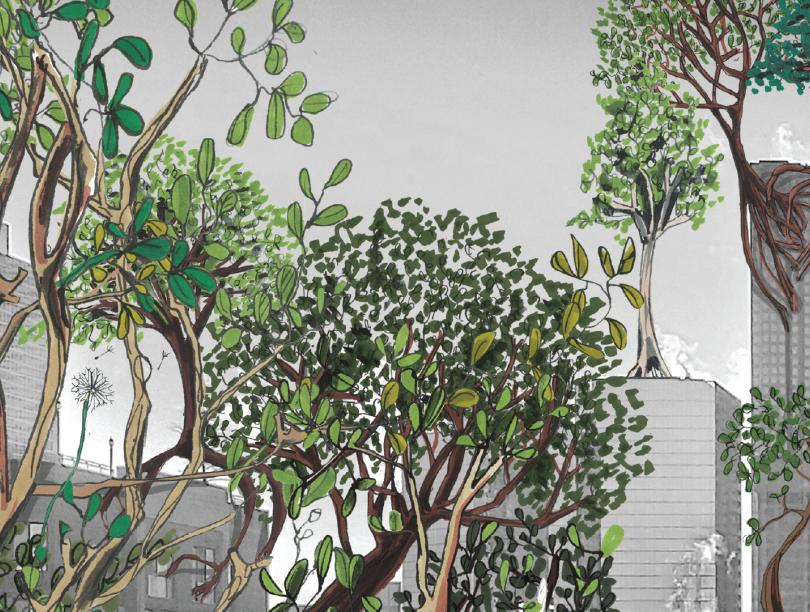

A campus project could become a blueprint for predicting insect activity.

Gig industry platforms fail to acknowledge the realities of women workers’ experiences.
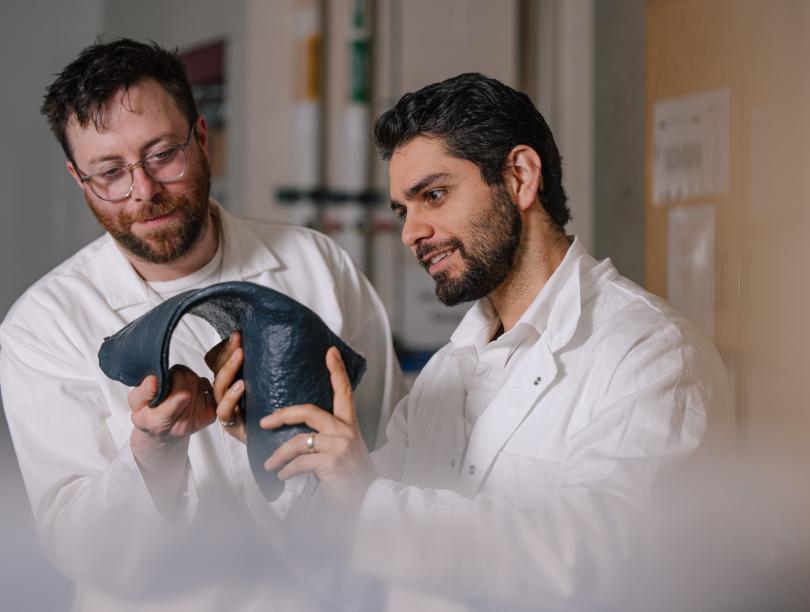
Two UBC ventures are working on solutions to eliminate plastic waste.
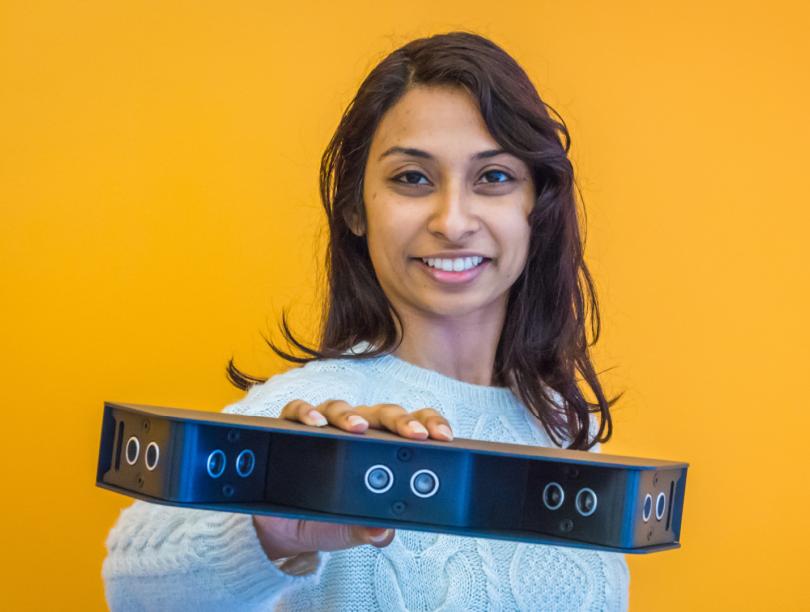
A new device is helping to make the world more accessible for people with disabilities.
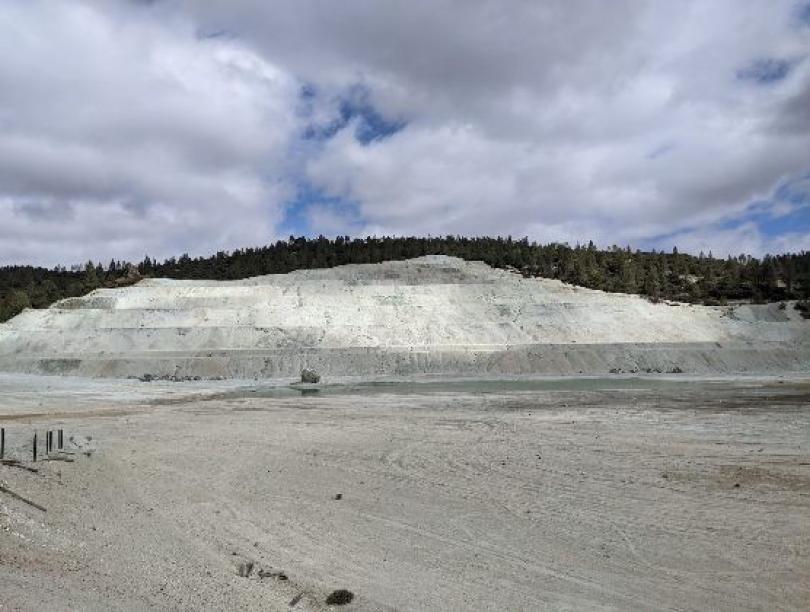
A lab is aiming to speed up a mineralization process from thousands of years to weeks.

A UBC concussion study could pave the way for safer hockey.
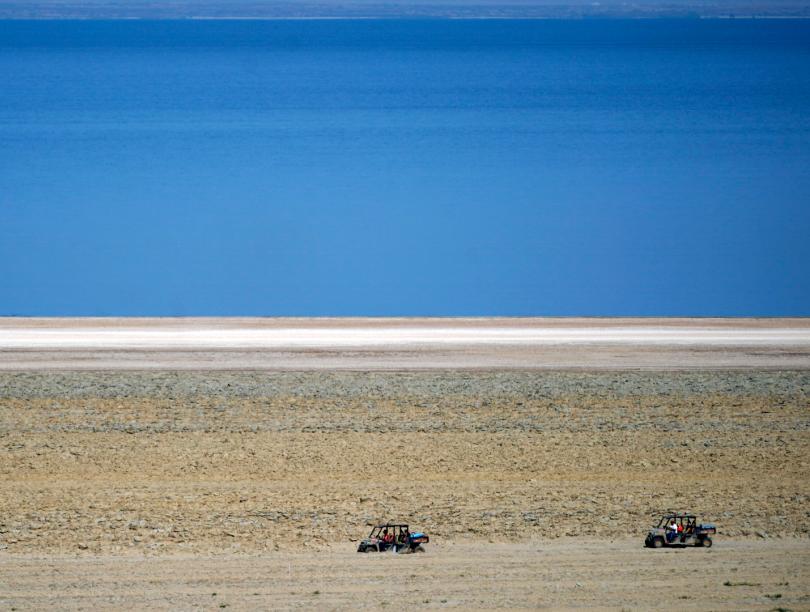
Innovations and changes in the metal supply chain can reduce the footprint of metal extraction.