


Environment


Test your knowledge of the province’s staggering biodiversity.

UBCO research reveals how Facebook’s news ban impacted wildfire-affected communities.

Discover simple steps to help reduce food emissions.

The impacts of wildfire can travel downstream into waters that people rely on every day.

Warm weather is arriving earlier, lasting longer, and packing more heat than it used to.

A UBC allergy expert explains why there’s so much pollen in the air—and how to manage symptoms.


These projects are accelerating housing solutions, lowering costs, and creating jobs.

The memorandum of understanding between Canada and Alberta is a high-stakes strategy.

Crop failures are messing with the menu.

From the womb on, our life experiences influence how fast we age—and how long we stay healthy.

UBCO researchers are using predictive tools to help communities respond quicker to wildfires.

This prototype turns human waste into nutrient-rich compost—and doesn’t need plumbing.

The extension enhances the university’s ability to address biodiversity loss.

A UBC professor asserts that all landscapes and design choices are political choices.

Canadian-grown wheat, canola, and peas have some of the world’s lowest carbon footprints.

Clear-cutting can have impacts that last more than 40 years.
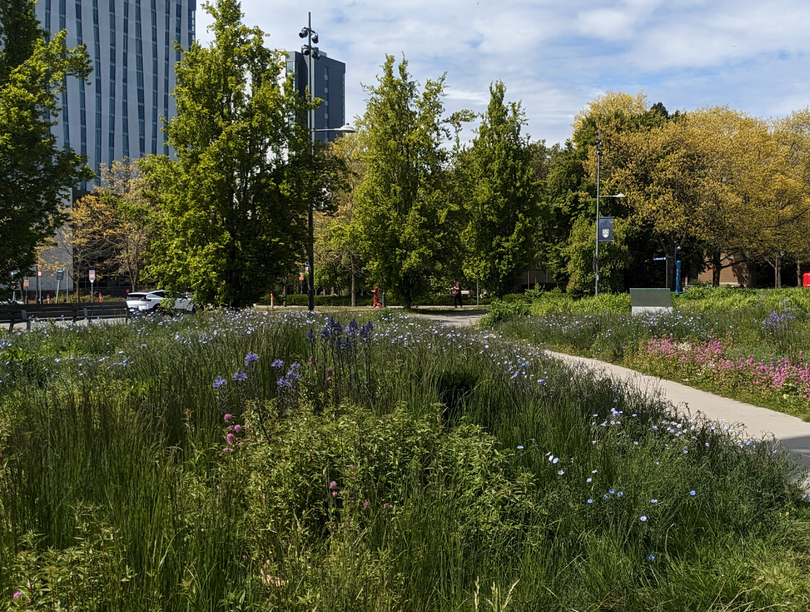
Manicured lawns are being reimagined as thriving ecosystems.
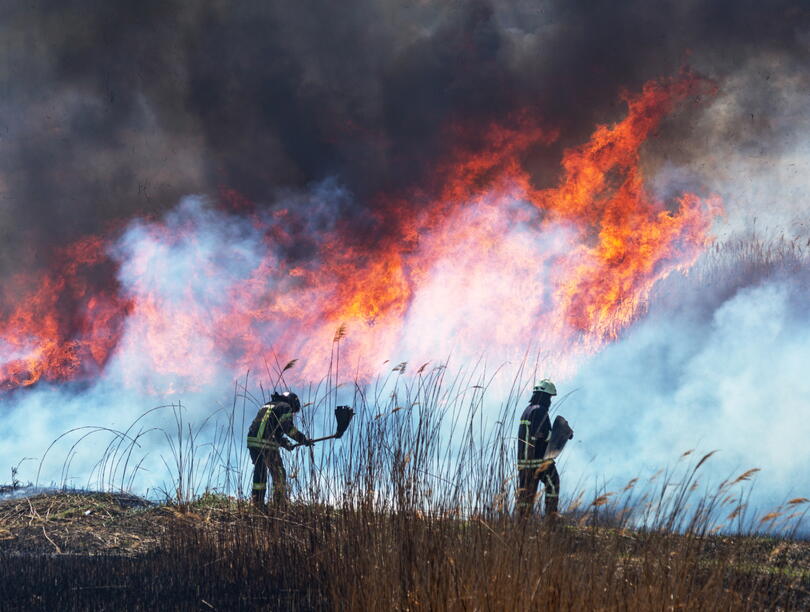
Wildfire smoke is already crossing borders, affecting millions.
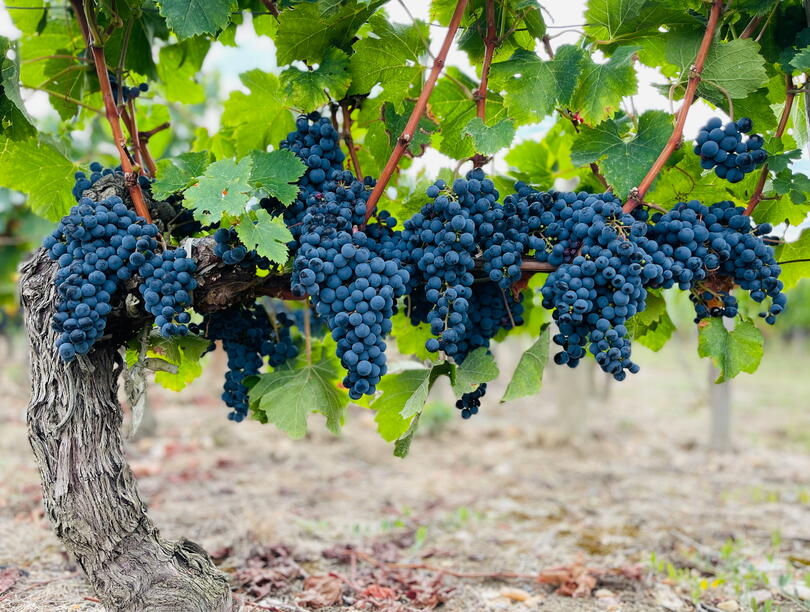
If you drink wine, chances are it already tastes different.
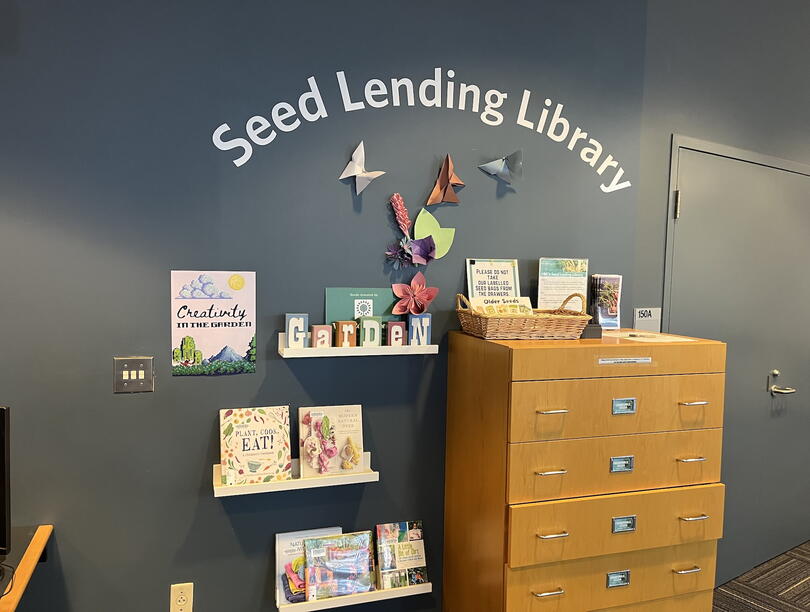
A seed lending library is an innovative concept that’s sprouting up around the world.
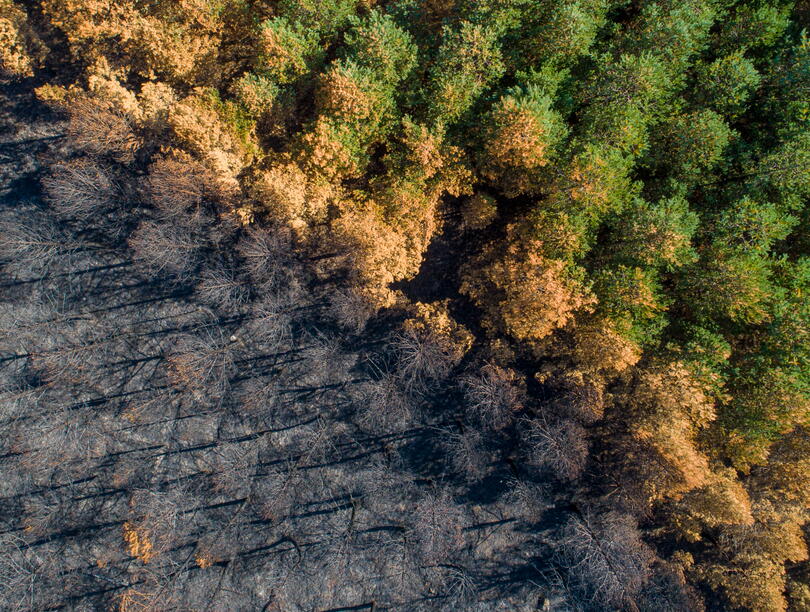
Here’s how we can coexist with wildfires and incentivize fire-smart practices.
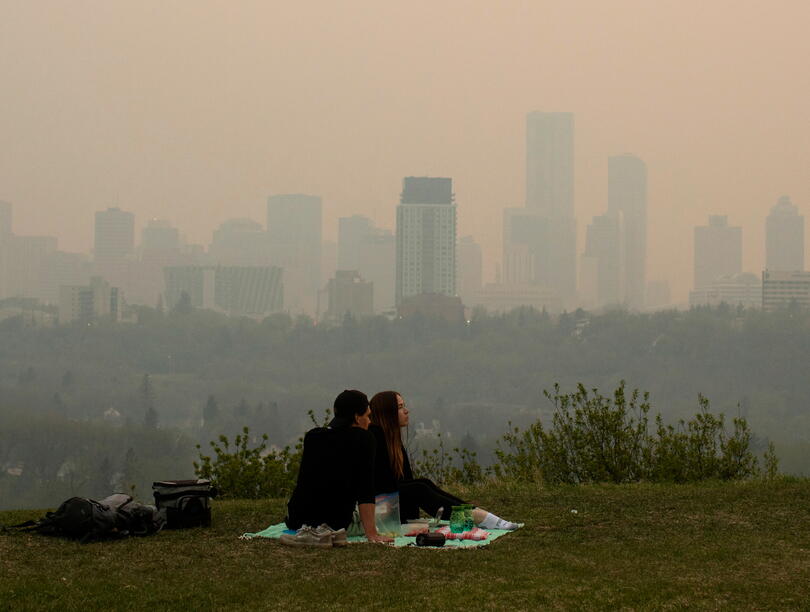
Those who produce pollution should pay for cleaning up any environmental damage.

AI's energy consumption doesn't tell the whole story of its environmental impacts.
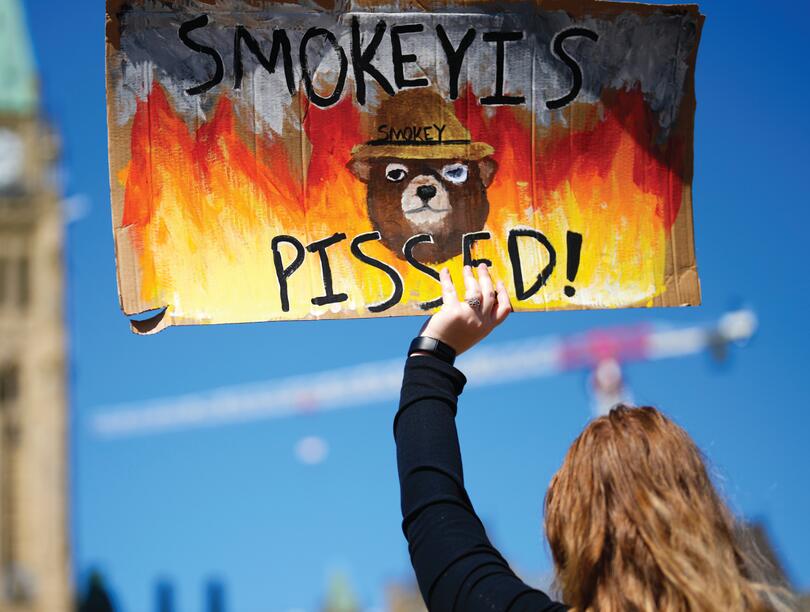
With Trump undoing US climate policies, Canada’s climate commitments come into question.
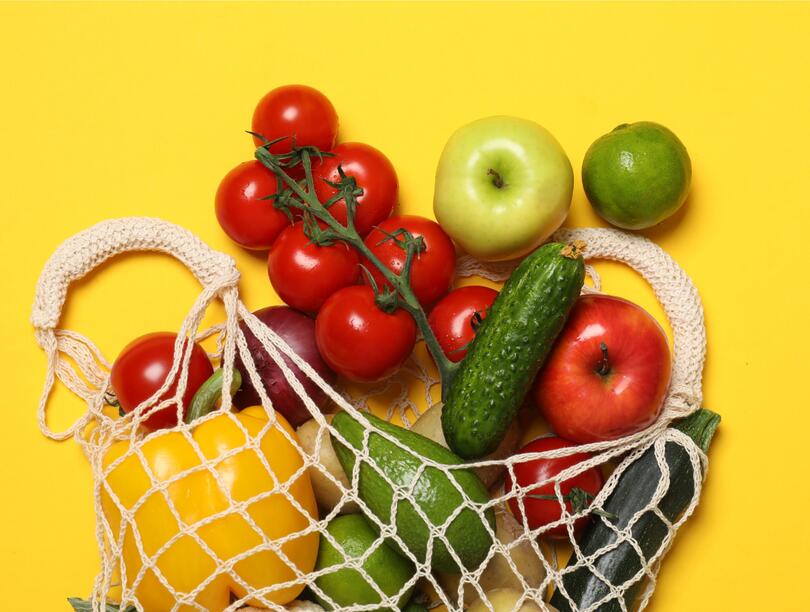
A UBC project shows how interconnected international and inter-provincial food systems are.
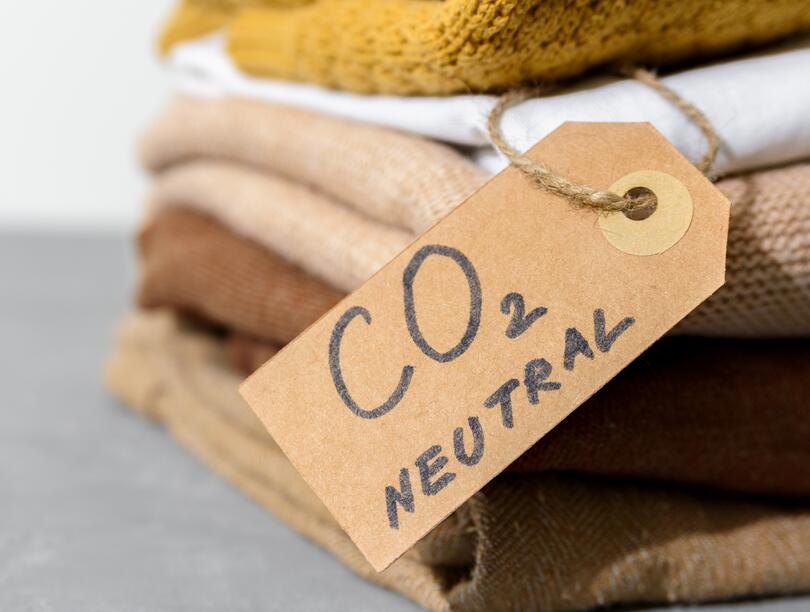
An accident spawned three years of research on polymers — and a new career trajectory.
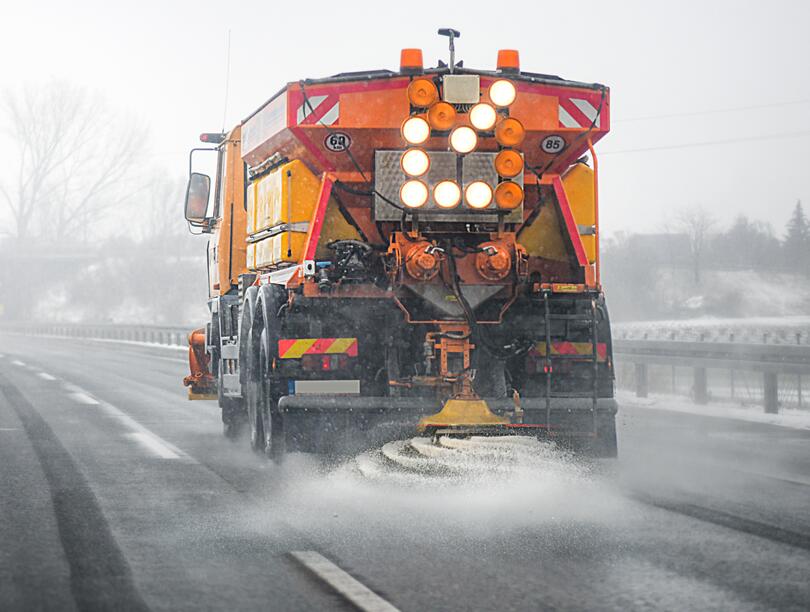
Exposing developing salmon to road salt concentrations can lead to deformities or death.
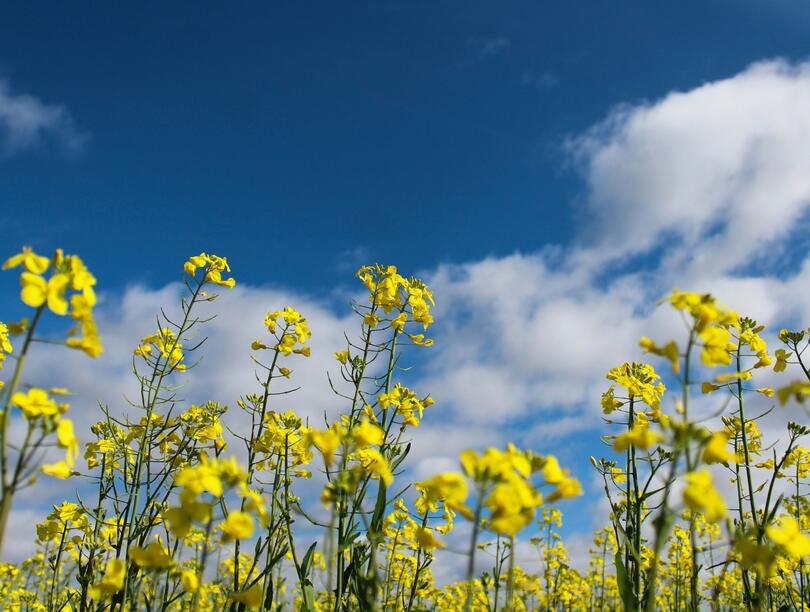
A new wave of biofuels could help drive Canada’s fast-growing green economy.